By Wendy Klug, Deputy District Director, North Dakota SBA
The Warrior's Path
How Dean Dauphinais Is Rewriting the Narrative for Native American Veterans
The word "Stand Down" carries heavy operational weight in the military. It signifies a temporary withdrawal from the front lines, a rare, structured window for a soldier to step out of harm's way, clean their gear, receive medical attention, and rest before returning to the mission.
But for many Native American veterans returning to civilian life, the battle doesn't end when the uniform comes off. Instead, the front lines shift to navigating dense bureaucracies, securing earned benefits, or fighting the isolating barriers of geographic and cultural disconnect.
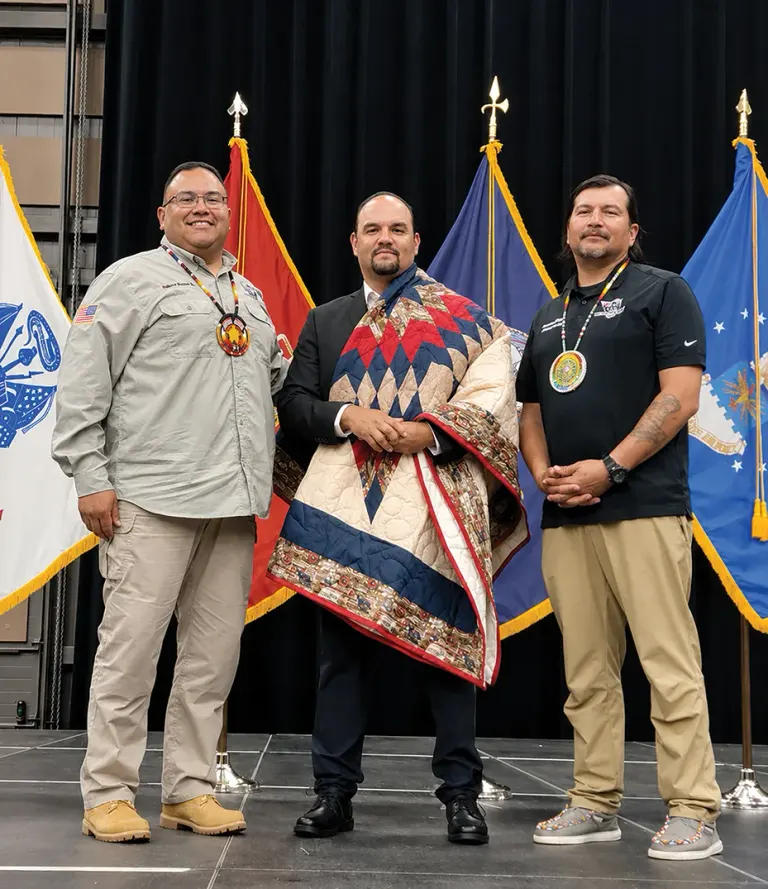
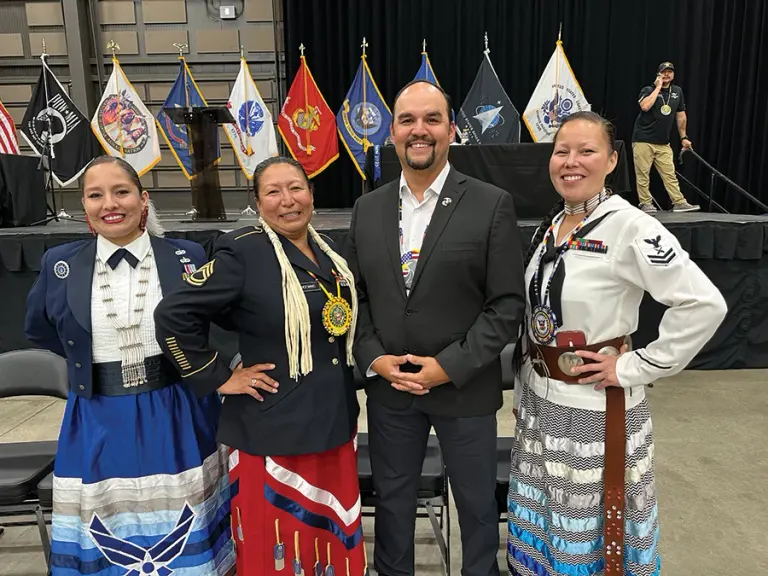
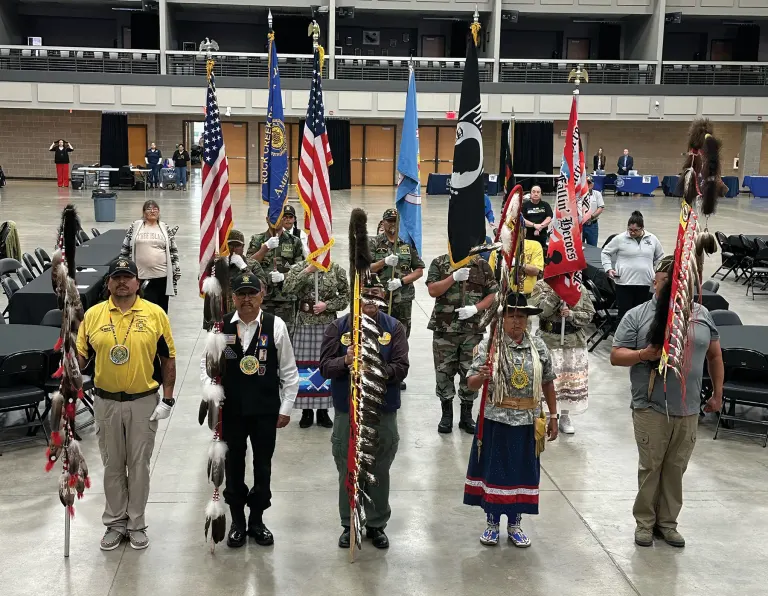
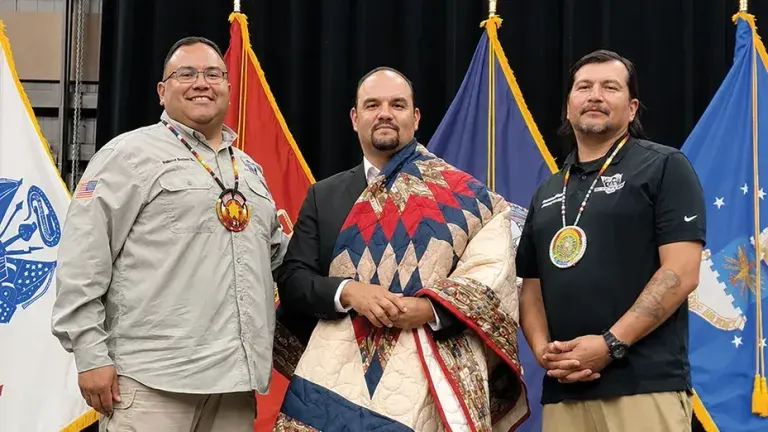
I first crossed paths with Dean Dauphinais when we were working to build the foundation for the North Dakota Native American Veterans Stand Down. What began as an operational mission to establish a localized, culturally intentional intervention has evolved into a vital, rotating statewide lifeline. Now in its fourth year, the event has moved from the Spirit Lake Nation to Turtle Mountain Band of Chippewa, then to the MHA Nation, and most recently, to the Standing Rock Sioux Tribe at Fort Yates.
Seeing the impact of that event firsthand teaches a profound lesson about community leadership: true advocacy isn't about speaking for an underserved group; it is about building the infrastructure so they are seen, met exactly where they are, and given back the dignity they earned.
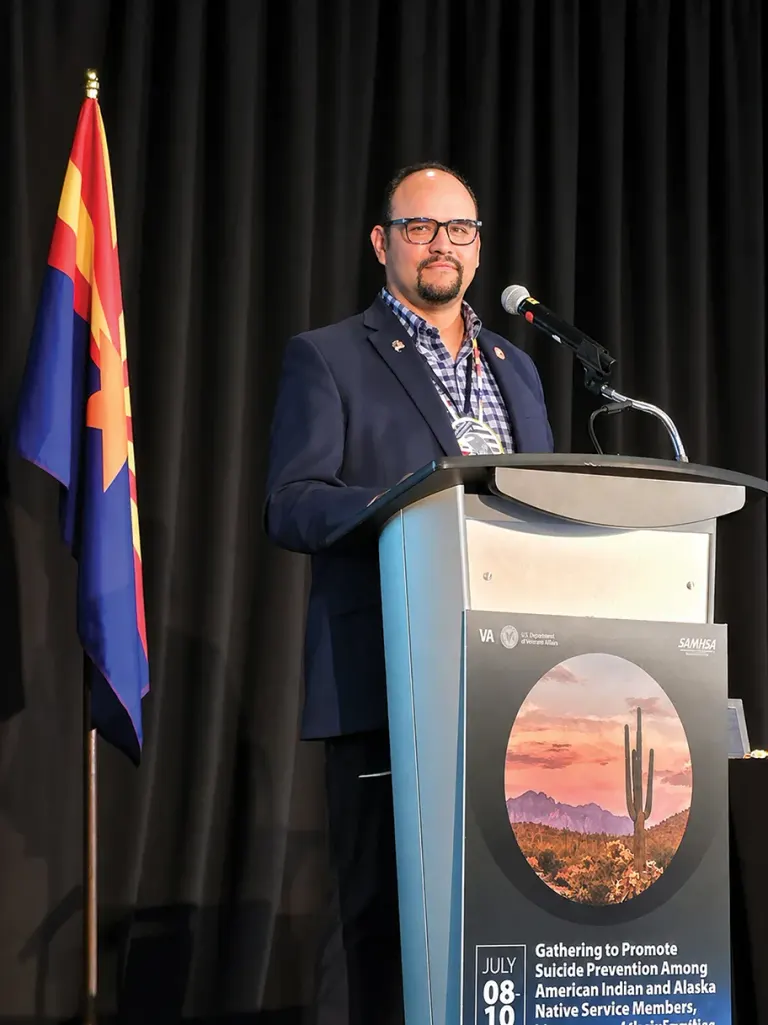
At the center of this movement is Dean Dauphinais. A U.S. Marine Corps veteran, an enrolled member of the Turtle Mountain Band of Chippewa Indians, and of Spirit Lake Dakota heritage, Dean is the living embodiment of the servant-leader. To understand his relentless drive to advocate for Native veterans, you have to understand the unique intersection of military service and Indigenous culture.
A Legacy of Service, a Mission of Advocacy