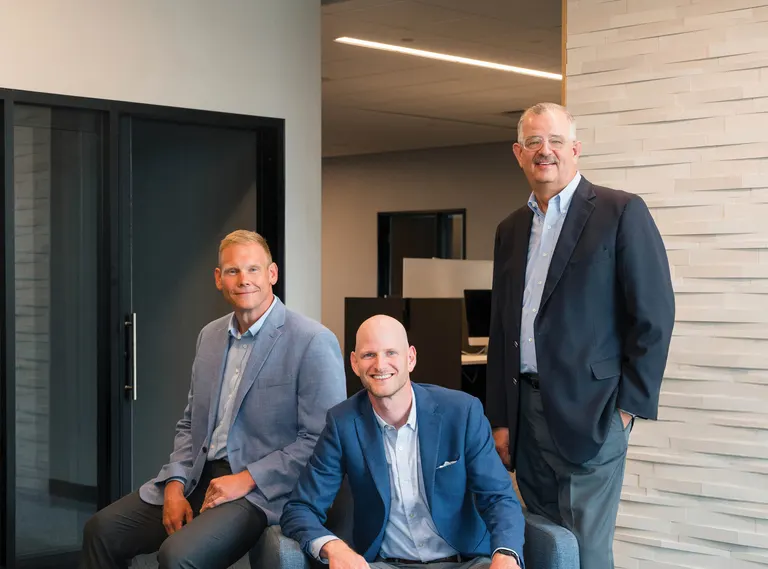
You’ve been known as an entrepreneur and leader who has created strong, values-driven culture in the past.
1. Where does a business owner start if they want to build a culture that is rooted in purpose?
Start with clarity around why your organization exists. Teams work hard, but without direction they drift. Purpose has to be simple enough that every employee understands it and real enough that leadership decisions consistently reflect it. Culture shifts when people see that purpose is not just stated, it is practiced.
2. What have you learned about how purpose affects employee retention, morale and productivity?
Purpose creates ownership. When people can connect their daily work to something meaningful, they approach challenges differently. Teams are more resilient, collaboration improves, and people stay longer because they feel part of something that matters.
Many leaders might assume creating “impact” means extra work.
3. What can leaders and teams do to see impact as something energizing rather than obligatory?
Stop treating impact like an extra project. The goal is not to add more work, but to connect existing work to meaningful outcomes. When people understand who benefits from their effort, motivation becomes internal rather than assigned.
4. What are some ways to ensure employees feel connected and engaged in impact-driven initiatives?
People engage when they can see results and feel participation is genuine. Share updates regularly, celebrate wins in meetings, and invite involvement rather than require it. Engagement lasts when people feel personally connected, not managed.
5. How can businesses integrate impact into everyday operations without disrupting productivity or profitability?
Keep it simple and consistent. A short update during team meetings, occasional volunteer opportunities, and clear communication about outcomes are often enough. When impact becomes part of normal operations, productivity improves because people care about the work they are doing.
6. How can businesses ensure impact initiatives are sustainable and long-lasting?
Leaders must demonstrate commitment through decisions, not just messaging. When organizations support and recognize impact consistently, it becomes part of identity rather than a temporary initiative.
7. How can joining Unseen Guardians help a company create a culture of impact and articulate that impact easily to their employees and communities?
Most organizations want to contribute but lack the time to build a program from the ground up. Unseen Guardians provides a clear structure and ready-to-use tools that make participation simple and sustainable. It allows businesses to engage their teams while supporting a credible, measurable effort to fight human trafficking.