Ready For What Comes Next: Building Leadership That Grows With You

Written by: Brady Drake

By Mike Meagher and Dr. Matt Skoy, Sagency

About the Authors

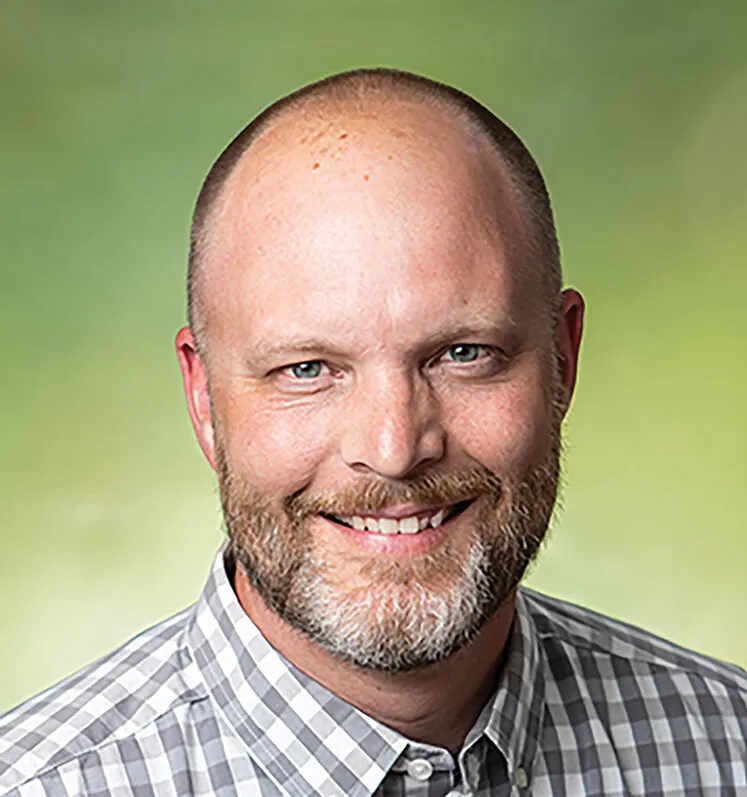
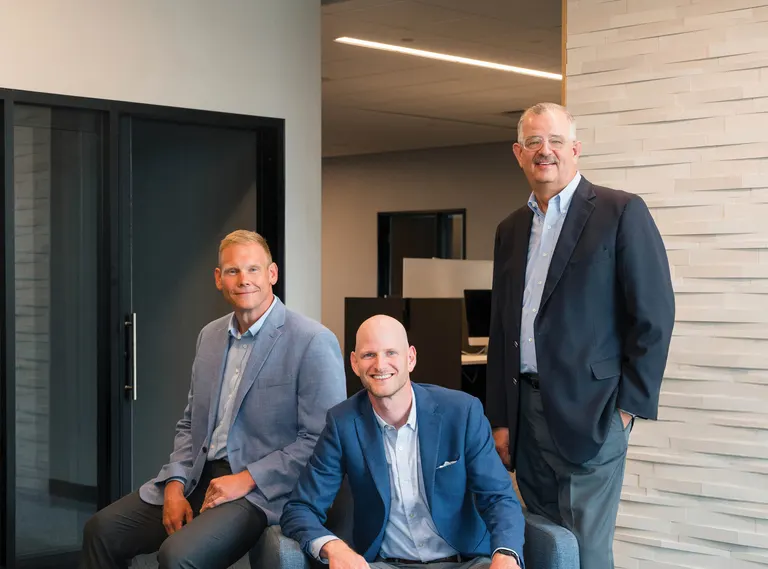
Mike Meagher is the founder and CEO of Sagency, where he helps executive teams grow healthy companies by building strategy and leadership systems that scale. Mike is a trusted advisor to owners, boards, and CEOs navigating complexity, growth, and transition. His work centers on aligning people and performance with purpose so organizations can lead through change with clarity and confidence.

Dr. Matt Skoy is a Partner at Sagency and leads the firm’s Leadership Development Practice. He specializes in designing learning journeys that help leaders build the mindsets, skillsets, and systems required for long-term growth. Known for his engaging presence and storytelling, Matt helps organizations turn leadership development into a strategic advantage.

Jon McTaggart is a Senior Advisor at Sagency and a seasoned executive with decades of experience leading growing organizations. As the former CEO of American Public Media Group, Jon now helps boards and leadership teams align around a clear strategy, navigate complex transitions, and build strong cultures of ownership and accountability. Jon brings a thoughtful presence, practical insight, and deep care for people to his work in succession planning, transition navigation, and strategy execution.

What happens to your business when a key leader steps away? Do you have someone ready to step in, or just someone available?

For many mid-sized companies, the honest answer is: we scramble.

Maybe a founder or CEO gets pulled back into a role they thought they’d outgrown. Maybe a high-potential team member gets thrown into the fire unprepared. Or a promising external hire arrives without enough time or context to succeed.

And sometimes… nothing happens. Momentum fades. Morale dips. Confidence wobbles. People start looking elsewhere.

At Sagency, we’ve seen this story unfold with otherwise healthy and successful companies. Smart teams. Strong values. Ambitions and real potential for growth. But no real investment in building a leadership bench.

They’re doing a lot right, but they’re vulnerable.

Why Bench Strength Matters More Than Ever

Right now, more companies are at a crossroads. Baby Boomers are retiring. Talent markets are tight. New generations expect growth and development. The speed of business is increasing, while leadership capacity often remains flat.

If your growth strategy relies on just a few people, you don’t have a strategy. You have a risk.

Bench strength isn’t about job titles or backups. It’s about having people in your organization who are prepared, empowered, and ready to lead through what’s next.

One of our clients, Sandman Structural Engineers, began investing in their leadership bench when they were just a 10-person firm. Today, they’ve grown to a team of 65, made a successful acquisition, and transitioned to an ESOP, all while maintaining a strong, healthy culture. Their early commitment to leadership development created the capacity and resilience needed to grow from the inside out. They are now taking it to the next level.

“We knew from the beginning that if we wanted to grow and stay healthy, we needed to grow leaders too,” said Kurt Sandman, Founder and CEO of Sandman Structural Engineers. “Building our bench gave us the confidence and capability to take on big opportunities without compromising who we are.”

This is what a leadership bench allows you to do. It lets you lead through change, not just survive it.

Four Simple Moves That Build A Real Leadership Bench

Based on our work with hundreds of leadership teams, here are four practical moves any organization can make, regardless of size, to start building their bench today

1. Shift from Replacement Thinking to Readiness Thinking

Many organizations treat succession planning like a game of musical chairs. Put names under boxes in an org chart and call it a plan.

But roles change. Needs evolve. People move on.

Instead of asking, “Who would replace this person?” ask:

  • What capabilities will this role require in the next 12 to 24 months?
  • Who’s showing potential to grow into that?
  • What would they need to experience or practice to be ready?

That’s readiness thinking. It’s forward-focused and proactive.

2. Clarify the Role Before You Develop or Hire for It

You can’t develop someone for a role that’s unclear.

Companies often say they want to grow “leaders,” but haven’t defined what success looks like in each key role. That leads to generic training and missed expectations.

Instead:

  • Define the role’s key accountabilities.
  • Describe what good performance looks like.
  • Align development to real business needs, not just generic competency models.

Development is only as strong as the clarity that anchors it.

Sometimes the best move is to bring in outside leadership with the right experience and perspective.

Strong organizations know how to do both with intention. Getting clear one the role helps with that decision.

3. Develop the Whole Bench, Not Just the Usual Suspects

Too many companies focus on their top 10 percent and forget the next layer down. But strong benches require depth.

Yes, invest in your stars. But also:

  • Give stretch assignments to overlooked contributors
  • Build leadership skills before someone gets promoted.
  • Use team leads and project owners as leadership incubators.

This kind of system not only strengthens your pipeline. It boosts engagement and retention across the board.

4. Make Development a Leadership Habit, Not Just an HR Project

Talent development should not be siloed within HR. It needs to be embedded in how your leaders lead.

This means:

  • Executives take ownership of growing future leaders.
  • Managers give consistent feedback and growth opportunities.
  •  The organization sees development as part of performance, not a break from it.

HR provides the structure. Culture carries the weight.

Small Company? You Still Need A Bench

You don’t need a big HR department or Fortune-500 training budget to build one.

In fact, the smaller your team, the more impact a single leadership transition can have.

From small firms to global organizations, we’ve helped leaders build practical, scalable systems for developing talent and planning for what’s next. Those that do become stronger and more confident.

They move faster. They lead better. They grow smarter.

Think of your bench like a team on the rise. It needs depth, not just stars. You need people who are developing, not just performing. And you need a system that keeps moving forward even when someone steps away or changes roles.

Quick Check: Do You Have Real Leadership Bench Strength?

Ask Yourself: Yes/No

  • If a senior leader exited tomorrow, do you have someone prepared to step in with minimal disruption?
  • Do you have clearly defined success criteria for each key leadership role?
  • Are high-potential individuals being intentionally developed through stretch assignments, coaching, and feedback?
  • Do your managers and team leads understand how they contribute to developing future leaders?
  • Do you have visibility into who’s ready now, who’s in development, and where your succession gaps are?
  • Are leadership development conversations happening regularly across the organization and not just during annual reviews?
  • Is your leadership pipeline aligned with your future business strategy (not
  • Would you feel confident promoting someone today without “just hoping they’ll figure it out”?

Your bench is either being built or being neglected. There’s no neutral state or idling.

If your business is growing, your team is evolving, or your current leaders are stretched, now is the time to start.

Start small. Get clear. Stay intentional.

You don’t need perfection. But you do need progress.

About Sagency

Sagency partners with leadership teams of mid-sized companies, enterprise nonprofits, ESOPs, and family businesses to align strategy, strengthen leadership, and create the clarity and momentum needed to grow the right way. They call this healthy growth. Learn more at:

TAGGED:
Share This Article
Follow:
Brady is the Editorial Director at Spotlight Media in Fargo, ND.