What to Know About Wisdom Teeth, Oral Surgery, and Access to Care · Fargo INC!
Partner ContentPresented by Face & Jaw Surgery Center
What to Know About Wisdom Teeth, Oral Surgery, and Access to Care
Face & Jaw Surgery Center's doctors on when wisdom teeth should come out, how the referral process works, and what oral surgery and recovery really look like.
FFargo INC! Partner Studio · Paid content · 7 min read
Wisdom teeth are one of the most common reasons patients are referred to an oral surgeon, but many families are unsure when to start paying attention, what symptoms matter, or how the referral process works.
For Face & Jaw Surgery Center, education is part of the care process.
The practice serves patients across North Dakota, with offices in Dickinson, Bismarck, Fargo, and Grand Forks, as well as a satellite location in Jamestown. Its Dickinson office has been an important addition for patients in western North Dakota and eastern Montana, giving many families access to oral surgery care closer to home.
Face & Jaw is a referral-based oral and maxillofacial surgery practice. That means many patients begin with their general dentist, who then refers them for specialized surgical care such as wisdom teeth removal, dental implants, extractions, and other oral surgery procedures.
To help patients better understand the process, Face & Jaw's doctors answered common questions about wisdom teeth, consultations, recovery, referrals, and what makes the practice different.
Services Patients May Be Referred For
Wisdom teeth removal
Tooth extractions
Dental implants
Oral surgery consultations
Sedation and anesthesia options
Complex surgical care
How to Become a Patient
Face & Jaw is a referral-based oral surgery practice. For most patients, the first step is to visit a general dentist. If the dentist determines that oral surgery is needed, they can send a referral to Face & Jaw. Once the referral is received, a patient coordinator will contact the patient to review health history, collect demographic information, and schedule the appointment.
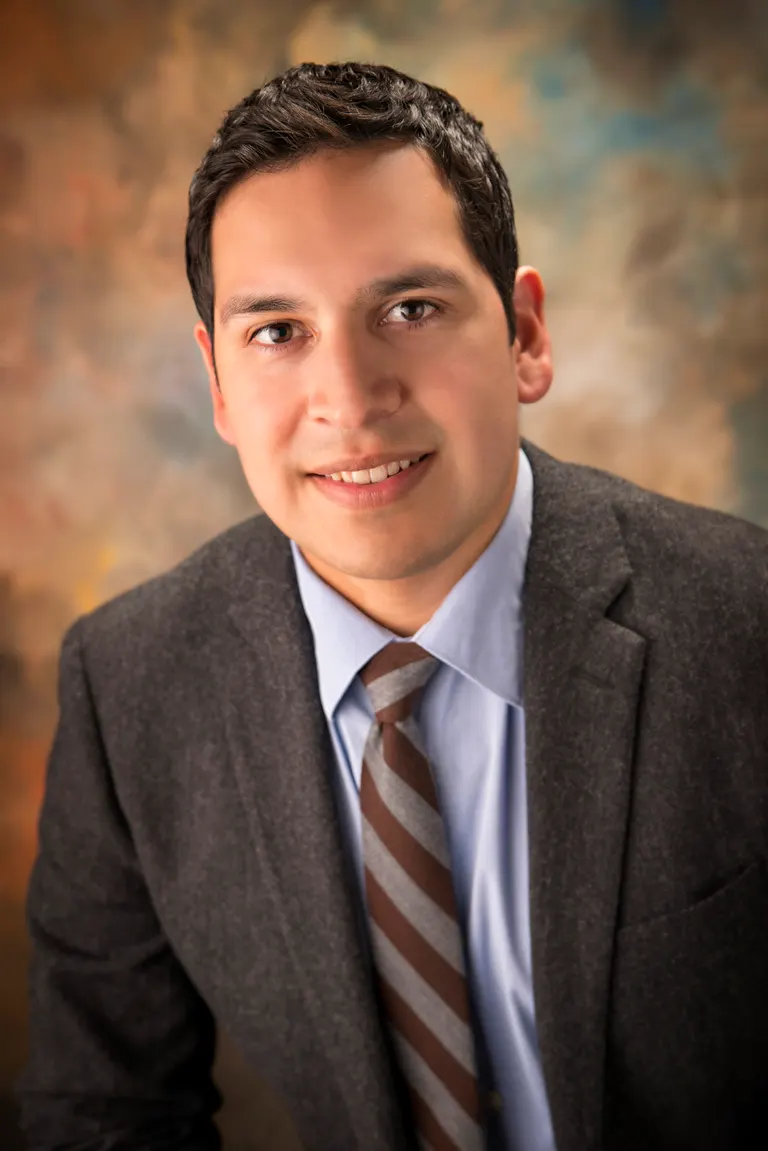
Dr. Preston Gomez, DDS — Bismarck & Dickinson
Dr. Preston Gomez, DDS.
When should someone start thinking about wisdom teeth removal?
The approximate ideal age to remove wisdom teeth is about 15–16 years old. This is usually before they are fully developed. This is only an approximation, however, because a person's dental age can differ significantly from their actual age. It is not uncommon for wisdom teeth to fully develop earlier or later than average.
You'll want to follow the advice of your dentist, who will have a handle on the development of your wisdom teeth if they have been managing your other dental care for a number of years. Your dentist will also be able to let you know if there is a developing issue around wisdom teeth that are already fully developed and/or erupted into the oral cavity, if you happen to already be beyond the average ideal age to get them removed.
What are the most common signs that wisdom teeth need to come out?
Intermittent swelling and deep, aching pain in the posterior lower jaw are probably the most common signs that there is a problem. By the time this pain is present, it usually means there are dental caries and/or periodontal issues around the incoming wisdom tooth. In the worst-case scenario, those problems are affecting the adjacent second molar as well.
What can happen if someone ignores those signs?
Ignoring any kind of dental pain usually leads to worsening problems. Carious lesions will tend to increase in size, and bone will continue to be destroyed. The loss of the adjacent second molar is possible, as is the development of a dental abscess.
This latter is probably the single worst possible outcome, as, depending on its size and position, an abscess can threaten not only the dentition but also the other soft and hard tissues in the area, leading to, among other things, trismus and severe pain. A large abscess also has the potential to cause acute airway issues if the floor of the mouth and tongue are affected. The surgery and related care to address a severe abscess commonly require at least a brief hospital stay.
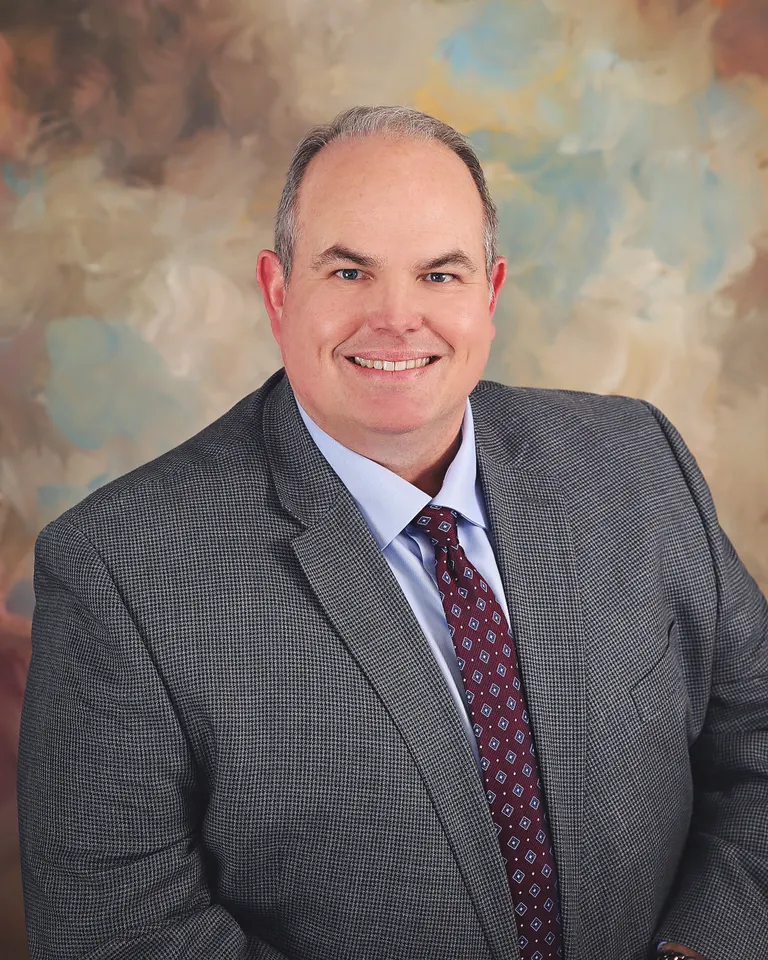
Dr. Michael Knoll, DDS, MD — Bismarck & Dickinson
Dr. Michael Knoll, DDS, MD.
Do patients need a referral to be seen?
A referral is preferred, as we are a referral-based practice. There are some things that we can identify, such as when wisdom teeth or third molars need to be removed. However, we don't do any general dentistry, as this is a specialty practice of surgery.
What's the step-by-step process for becoming a patient?
Once we receive a referral from your general dentist, one of our patient coordinators will reach out to you and go over a detailed intake about health history and demographic information to schedule you accordingly.
What should someone do if they think they need a tooth removed but don't have a dentist?
Depending on the situation, a referral from a dentist may not be needed. If there is pain, swelling, or a large cavity, it can be relatively straightforward to identify the correct tooth.
However, many times, the tooth does not need to be removed and can be restored, which is best determined by the general dentist. We encourage all patients to seek consultation with a general dentist and receive a comprehensive exam prior to any surgery.
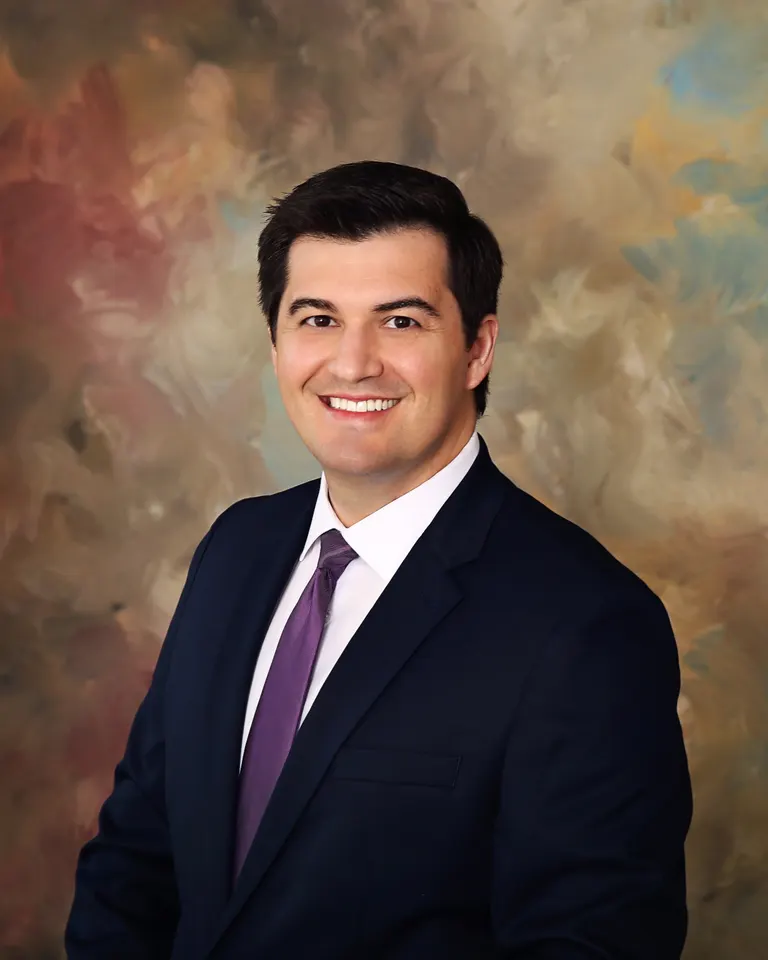
Dr. Derek Miller, DDS — Bismarck & Dickinson
Dr. Derek Miller, DDS.
What does the consultation process look like?
An oral surgery consultation involves a thorough review of a patient's medical history, a clinical exam, and a review of any pertinent imaging, such as X-rays or a CT scan, which helps develop an appropriate treatment plan.
The surgeon will discuss anesthesia options, including local anesthesia, IV sedation, or intubated general anesthesia, as well as the procedure's risks and benefits and post-operative care instructions. Patients are always given an opportunity to ask questions to ensure full understanding prior to a procedure.
Walk us through the procedure at a high level.
Oral surgery procedures typically involve numbing the treatment area with local anesthesia and are often combined with sedation to help keep the patient comfortable throughout the duration of the procedure. The surgeon may make incisions in the treatment area to remove and/or repair the affected area and then close the incisions with sutures.
What is recovery like?
Recovery from oral surgery typically involves two to three days of rest, with possible swelling, bruising, and discomfort peaking around 48–72 hours post-operation.
Patients are asked to follow a soft-food diet and avoid smoking, spitting, or using straws for several days to help ensure appropriate healing. The surgeon may prescribe medications to aid in the recovery process, such as pain medication or antibiotics, but this is customized to each patient/procedure and would be discussed at the time of your procedure.
Bismarck & Dickinson, Continued
How has having a location in Dickinson changed access to care?
Having a location in Dickinson has greatly facilitated the transportation challenges of our patients by having an office in the western part of the state. This expanded the geographic scope of our practice to include all of western North Dakota and adjoining eastern Montana.
What makes your team different from other providers?
Our practice is very unique. Our organization has been in business for over four decades. All our surgeons are board-certified oral and maxillofacial surgeons.
All our clinical staff have taken training in advanced cardiac life support and pediatric life support and have taken advanced training in assisting with the general anesthesia portion in an outpatient setting. For complex cases, we have our own certified registered nurse anesthetist.
Dr. Joseph Deathearge, DMD, MD
What training and experience should patients look for in an oral surgeon?
In selecting an oral and maxillofacial surgeon or surgery practice, a patient should look for a surgical practice that has decades of experience. The surgeons operating in such a facility should all be board certified or at least board eligible.
Dr. Jonathan Gray, DDS — Fargo & Jamestown
Dr. Jonathan Gray, DDS.
What do patients tend to worry about most, and how do you address that?
Needles! So many are afraid of needles and pain. Understandably so. Whoever comes up with a way to anesthetize teeth without a needle will rival Bezos in value.
What's one common myth about wisdom teeth you wish patients understood?
Myths regarding wisdom teeth and other teeth: If there is no pain, there is no problem!
It would be nice if it were that simple. Most mouth/tooth problems are initially painless. Bummer! But it is important to get regular checkups with your dentist to catch potential problems early.
Dr. Omar Chahal, DDS, MD, MBA — Grand Forks & Fargo
Dr. Omar Chahal, DDS, MD, MBA.
What's one piece of advice you give every patient before surgery?
My advice is quite simple — Take care of yourself and be prepared ahead of time for surgery.
Follow your pre-operative and post-operative instructions, ask questions, arrange for a ride home if necessary, and stock up on softer foods. Get a good night's sleep before and plan for rest after surgery. Don't stress, and know that you have an excellent team who will support you throughout your experience.
Outside of wisdom teeth, what's another service patients should know you offer?
Many people know us for wisdom teeth removal, but one of many other services we offer is teeth replacement with dental implants.
Dental implants are titanium roots that are surgically placed into the jawbone to support fixed or removable replacement teeth, such as crowns, bridges, or dentures. They offer a long-lasting, stable solution for missing teeth that look, feel, and function like natural teeth, while also preserving jawbone health.
To Learn More
Visit faceandjawsurgery.com or find Face & Jaw Surgery Center on Facebook at /FaceJawSurgeryCenter.
By Brady Drake, provided by Face & Jaw Surgery Center.
Contributor Partner
This article was produced in partnership with Face & Jaw Surgery Center. The Fargo INC! newsroom — “11 Years. No Opinions. No Politics. All Business.” — was not involved in creating this content.