How financial criminals are changing the game in 2025 & what you can do to stay ahead of them
Staying Safe In A Digital World: What Business Owners Should Know in 2025
At First International Bank & Trust (FIBT), we believe banking should be personal, secure, and empowering. As a family-owned, independent community bank with over a century of experience, we’ve built our reputation on trust, resilience, and a commitment to helping our customers “Live First.”
Whether it’s supporting your business goals, safeguarding your financial future, or simply being there when you need us, we’re proud to be a partner you can count on.
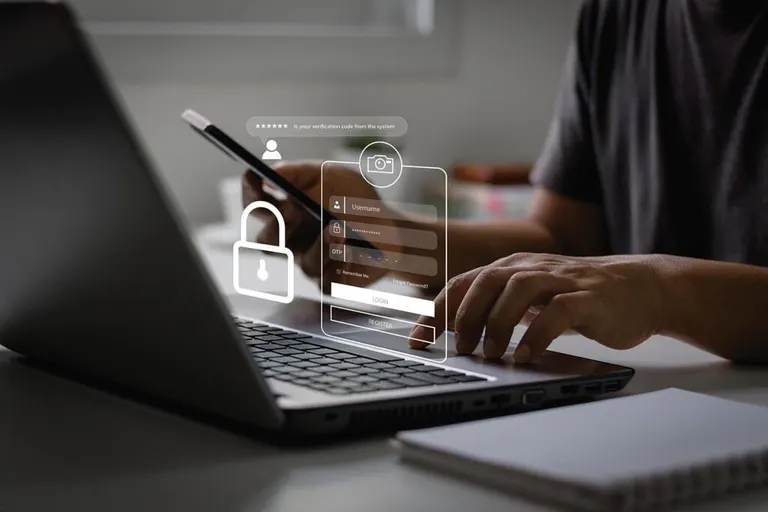
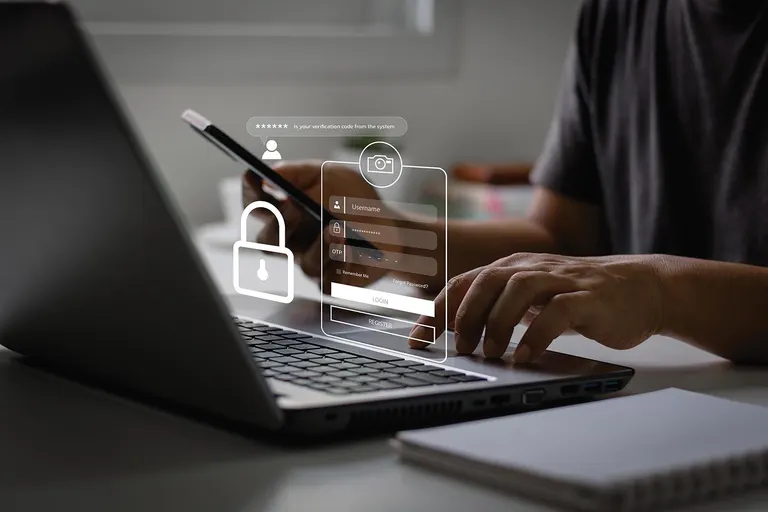
Our relationship-based approach means we don’t just offer banking services — we offer peace of mind. From our roots in North Dakota to our presence across Arizona, Minnesota, and South Dakota, we’ve weathered economic shifts and technological changes by staying nimble and focused on what matters most: protecting our customers and their communities. In today’s digital landscape, that protection extends beyond the vault. Cybercrime is evolving rapidly, and fraudsters are finding new ways to target individuals and businesses alike. Messages like “Your account has been suspended,” “Click here to upgrade your cloud storage,” or “Verify your identity now” are more than just annoying — they’re often phishing attempts designed to steal sensitive information.
While many of us have learned to spot these scams, the stakes are rising. In 2024 alone, cybercrime cost victims over $16 billion, a 33% increase from the previous year. For business owners, the risks are even greater. With threats like check washing, mail theft, and business email compromise (BEC) becoming more sophisticated thanks to AI-generated content, the stakes are even higher.
What Is Business Email Compromise (BEC)?
BEC scams involve a fraudster gaining access to a legitimate business email account and using it to trick others into sending money or sharing confidential information. These scams often look like routine communications from known vendors, complete with “updated payment instructions” or fake invoices.
Here’s how it typically works:
- A scammer gains access to a business email account, often through phishing or malware.
- Then, the scammer identifies customers who regularly interact with that business.
- Then, the scammer sends those customers fraudulent requests for payment, hoping to intercept funds before anyone notices.
Did You Know?
At FIBT, our dedicated Fraud Prevention team works tirelessly to stay ahead of emerging scams. In 2024, we successfully prevented 99.3% of fraud attempts on our customers’ accounts. Staying safe is a shared responsibility — and we’re here to help you stay informed and prepared.