MinnKota Recycling has been keeping it clean and green since 1975, serving the tristate area and fulfilling recycling needs… and yes, it gets dirty.
Founded on the grounds of sustainable living, MinnKota has become a necessary cornerstone of the community. Calling themselves the “green guardians” of garbage, MinnKota Recycling, along with its sibling service, MinnKota Secured Document Destruction, operates under MinnKota EnviroServices, Inc. They champion the cycle of renewal, educating the community and perfecting the art of recycling, as well as ensuring your valuable prints stay shredded and secure.
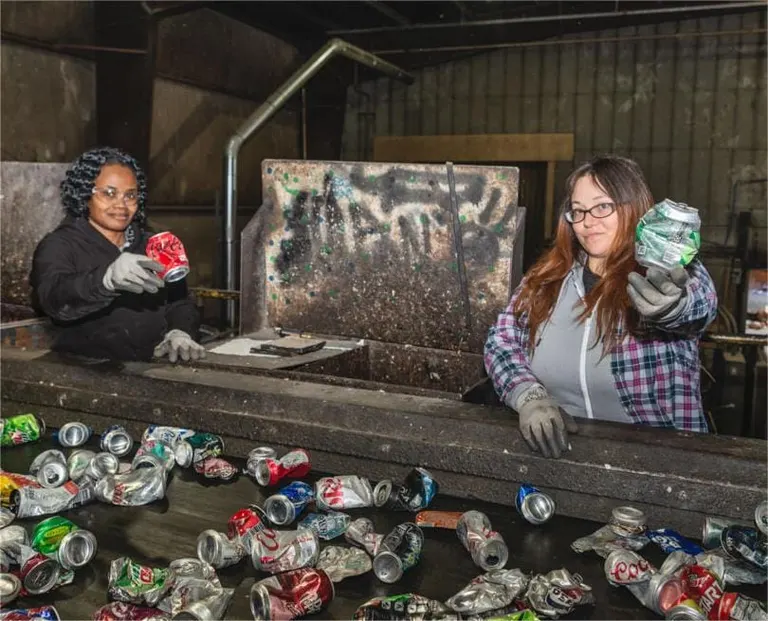
How does it get dirty? Inside the facility, these workers are surrounded by, well, trash. It’s trash that will be turned into treasure (or, at least marketable material), but first, it’s trash. There are a variety of machinery and tools that the facility uses to sort and separate material, but nothing has replaced the age-old method of hand sorting, and about 20% of what makes it into the facility is unable to be recycled—so it’s trash, and it smells.
Did You Know?
MinnKota Recycling processed and marketed 60,000 tons of recyclable materials in 2023 alone!
Top 3 Dirtiest Tasks
- Inside the facilities, MinnKota’s sorting team dives into the mix of materials collected from curbside pickups, drop-sites, and commercial hubs. This task is spent distinguishing different types of materials to ensure that every recyclable finds its way, and every unrecyclable is out of there. Gloves are necessary, grit is recommended.
- Out in the field, MinnKota’s collection crew ventures into the landscapes of commercial businesses, like restaurant kitchens and university halls, to gather valuable materials destined for the facility—this means going around to each bin and collecting the trash to be turned anew, but it’s also like taking out the trash, so ew.
- Once sorted, there are teams pushing and piling and pivoting around the final steps of the process—they’re literally pushing the material into the machines to make bales. Bales of metal, paper, magazines, or whatever it may be to be shipped off to another plant for reuse. This is less invasive than picking through the garbage, but laborsome nonetheless.
If this work is so dirty, why are there people doing it? The simple answer, it’s rewarding.
“This is a challenging industry but knowing we are doing some good for the environment and local economy, and providing jobs that offer sustainable solutions to managing these communities and others’ recycling needs, motivates us,” Sales Manager & Certified Secure Destruction Specialist Mary G. Aldrich said.