What Really Drives Remodel Cost in 2026 (Hint: It’s Not the · Fargo INC!
Partner ContentPresented by
What Really Drives Remodel Cost in 2026 (Hint: It’s Not the Tile)
The first question most homeowners ask when exploring a remodel is cost—and understandably so.
PFargo INC! Partner Studio · Paid content · 5 min read
The first question most homeowners ask when exploring a remodelis cost—and understandably so. But asking “How much does a kitchen cost?” is like asking what a car costs: it depends entirely on what it needs to do, how it needs to perform, and how it needs to fit your life.
In remodeling, cost is shaped more by scope, layout, and function than by tile, counters, or fixtures. Finishes personalize a space, but they don’t define the budget range. What drives the number is how much the space needs to change to support how a family cooks, moves, stores, entertains, and lives.
Scope Sets the Range
Before a homeowner ever picks a countertop, scope has already determined whether the remodel will sit at a modest refresh level or a major transformation level. Scope includes the decisions about whether walls move, whether appliances relocate, whether a pantry is added, or whether a kitchen opens to a dining or living space.
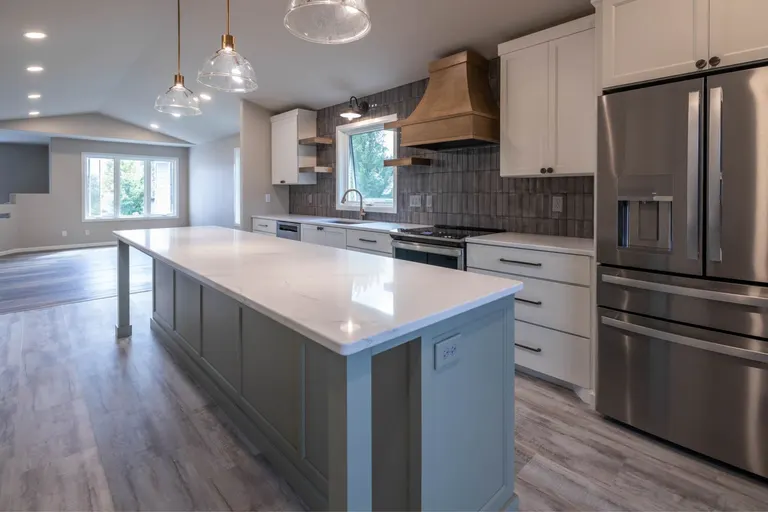
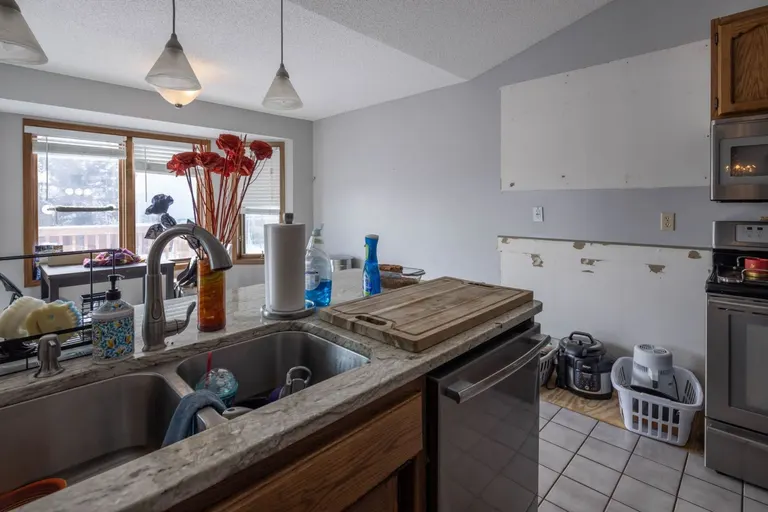
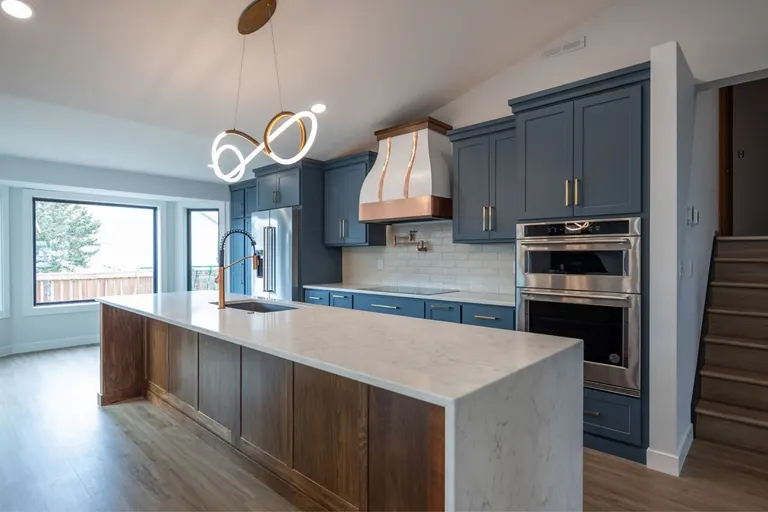
Two kitchensmay end up with similar cabinet styles, similar finishes, and similar inspiration photos—but if one keeps its footprint and the other reworks the traffic pattern and storage strategy, the investment level will land in very different places.
Layout is one of the biggest multipliers in remodeling because it dictates how the space behaves. It’s not just about where cabinetry sits; it’s about how people move through the room, how storage workshow clutter disappears, and how appliances and prep zones relate to each other.
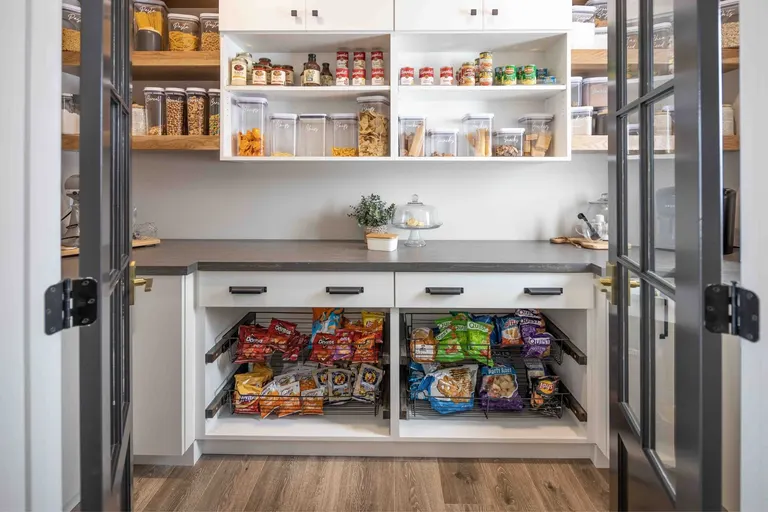
Homeowners often don’t realize how much stress or inefficiency comes from layout inefficiencies until they improve them. Adding tall pantry storage, shifting appliance locations, opening sightlines, or relocating an island can make the same square footage feel bigger, calmer, and more livable—without adding square feet.
Function Delivers the Best Long-Term Value
Finishes matter—they elevate and personalize a remodel—but function quietly carries the best long-term ROI. A well-planned layoutwith smart circulation and storage can handle multiple finish updates over time. A beautiful but dysfunctional space usually can’t.
Function also tends to hold resale value better because buyers immediately understand lifestyle improvements, even if tastes in finishes change.
Finishes Personalize, But They Don’t Drive the Budget
Tile, lighting, plumbing fixtures, and hardware bring character to a space and allow homeowners to express their style. But they don’t determine whether a remodel falls into one budget tier or another—they refine the investment once the functional structure is in place.
This is why remodels that begin with inspiration boards and shopping often feel frustrating when numbers enter the picture. The smartest remodels begin with planning and performance, then finish with personalization.
Expert Perspective
Rachael Boyer, President & CEO of The Home Authority, Inc.sees the confusion around remodel cost play out in real time with Fargo/Moorhead homeowners.
“Most people assume cost is driven by selections - the tile, the counters, the fixtures,” she explains. “Finishes definitely matter, and they make spaces beautiful, but they’re not what determines whether a remodel belongs in one price tier or another. The big budget influencers happen earlier, when you’re making decisions about scope, layout, structure, and function.”
Boyer says the gap between how homeowners think remodels are priced and how remodels are actually priced is one of the main reasons planning feels intimidating at first.
“Two kitchens can look similar on Instagram, but one might have kept the original appliance layout while the other reworked the entire traffic pattern, added pantry storage, and opened to the dining room for circulation. Visually they’re both ‘white oak kitchens,’ but they live at very different investment levels because the functional decisions aren’t the same.”
According to Boyer, reframing remodels around how a space needs to perform—not what it needs to look like—consistently leads to better outcomes.
“When homeowners start with how they cook, how they entertain, how many people use the space at the same time, or where things pile up during busy mornings, the remodel becomes a problem-solving exercise instead of a shopping exercise. Finishes become the layer that personalizes the solution, instead of the thing that drives the budget.”
Q&A: Common Questions Homeowners Ask About Remodel Cost
Q: Why can the same kitchen vary so widely in cost?A: Because “the same kitchen” rarely means “the same scope.” Keeping the footprint vs. changing the footprint can double or triple the functional work before finishes even enter the conversation.
Q: Should we choose finishes first to understand budget?A: It’s tempting, especially with how inspiration platforms are built. But finishes refine a remodel—they don’t set the budget. Layout and scope come first, then finishes personalize the investment.
Q: Where does the best value come from in a remodel?A: From decisions that improve daily living: better storage, better traffic patterns, better lighting, better prep, better sightlines, and better integration with family routines.
Q: How do we avoid blowing the budget?A: Clarity up front. Homeowners who define scope, function, and financing early tend to stay closer to their plan and experience fewer surprises. At The Home Authority, Inc., we also use Fixed-Price Contracts, which lock in scope and cost before construction begins so the budget doesn’t drift mid-project.
Q: How should we budget realistically?A: Start with clarity around goals, scope, and how the space needs to perform. Budget ranges become more predictable once layout decisions are made. This is also where many homeowners start exploring financing to align the project with their long-term plans.
Q: Is financing common for remodels?A: Absolutely. Many homeowners use financing for remodels, not because they can’t fund the project, but because it allows them to match the remodel to their timeline, lifestyle, and equity strategy. Financing also lets families complete the functional scope they want now instead of phasing it over years. The Home Authority, Inc. offers remodel financing optionsfor homeowners who want to plan investment and scope together rather than guessing at cost.
Q: Is remodeling for resale different than remodeling for lifestyle?A: Yes—and both can be smart. Lifestyle ROI improves the space for the people who live there now. Resale ROI anticipates the preferences of future buyers. Most remodels blend both without meaning to.
For Homeowners Planning a Remodel
If you’re early in the planning phase and want clarity around cost, scope, and function—not just finishes—The Home Authority’s Remodel Planning Guideis a helpful next step. It outlines realistic ranges, functional scopes, and timing considerations for Fargo/Moorhead homeowners.
At the end of the day, the success of a remodel isn’t defined by how striking the tile is or how trendy the finishes feel—it’s defined by how well the space works for the people who use it. When planning starts with function instead of shopping, homeowners see better outcomes, fewer budget surprises, and remodels that hold their value longer. Finishes personalize a space, but function earns the return—and that’s a distinction worth budgeting for.
Contributor Partner
This article was produced in partnership with . The Fargo INC! newsroom — “11 Years. No Opinions. No Politics. All Business.” — was not involved in creating this content.