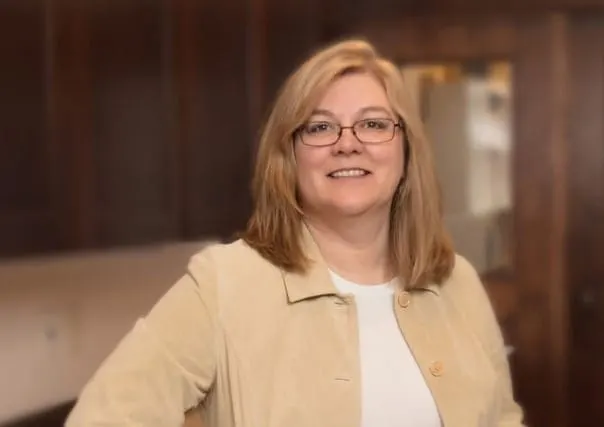
Bobbi Hepper Olson knew she wanted to be an architect. Her passion for the profession started in fifth grade before she even knew what being an architect entailed.
“Architecture is problem-solving,” Olson said. “Working to create a building that’s safe, meets the needs of the client, and functions really well. I was always interested in buildings and their environment.”
Against the backdrop of the Red River Valley’s rural architectural history, Olson realized that the right built environment didn’t always mean new construction.
Over the last two decades, she has built a career that marries modern architectural practices with historic preservation to help revitalize rural communities in our region.
Good bones
The Dakotas are dotted with small, rural communities. A church or two, an old brick school, some houses, and that iconic Main Street that lives in our cultural memories. Growing up in one of these towns, Olson learned to appreciate the important part buildings played in her community. Architecture created a space for people to come together. When neighbors might be miles away from each other, churches and other buildings offered community and connection.
Looking back, the buildings that sparked her imagination weren’t flashy or ornate. Their usability gave them substance, though. They had good bones.
“I love to find new life in these little towns,” she said. “I was fortunate to be involved with the restoration of storefronts along Third Street in Grand Forks after the flood of 1997. I researched what some of those buildings looked like over the years and tried to take them back to a certain era.” Peeling back the façade and layers of paint like the pages in a book, was a fascinating and rewarding process. Olson decided these were the spaces she wanted to help create.
Building community
As her career progressed, Olson also realized the need to listen to herself and build an environment that she could thrive in. She’d joined a local architecture firm after college. What started as a small team, grew over the years. Eventually, Olson found she wasn’t able to oversee the whole project from start to finish, which was one of her greatest joys as an architect. She also had a young family, and it was important to be present as much as possible in her role as mother and wife. In order to design a practice that fit her professional and personal needs, Olson went out on her own as Hepper Olson Architects.
Housed in a renovated 1890s stone bank in Buxton, ND, the firm represents a marriage of history and innovation, the modern revitalization of our rural communities. The team’s main focus is working with residents of small towns in North Dakota and Minnesota both for new construction and renovation.