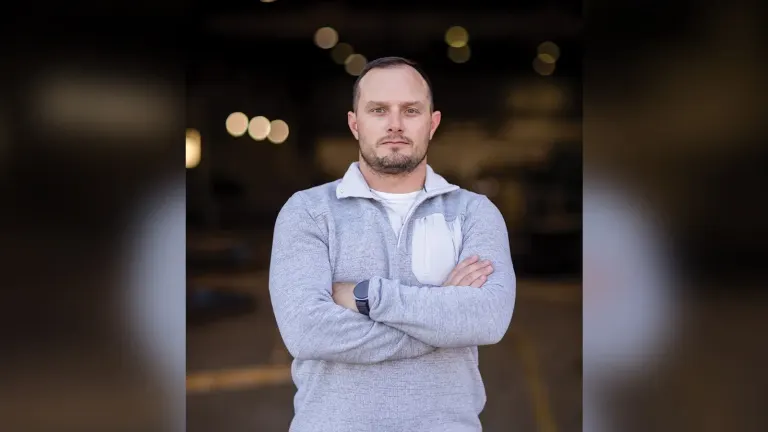
Nathan Lynnes: National Guard Soldier at TrueNorth Steel · Fargo INC!
PeopleVeterans in Business
Nathan Lynnes: A Commitment That Doesn’t Come Off With the Uniform
A Sergeant First Class in the North Dakota Army National Guard and quality control supervisor at TrueNorth Steel, Nathan Lynnes is still serving on both fronts.
In shortNathan Lynnes, a Sergeant First Class in the North Dakota Army National Guard since 2008, works as a quality control supervisor at TrueNorth Steel and helps lead the company's new Veterans Employee Resource Group.
3 things to know
1He earned a Certified Welding Inspector credential at TrueNorth Steel, which he identifies as his most significant professional accomplishment.
2Lynnes is involved in building TrueNorth Steel's Veterans Employee Resource Group, including initiatives such as a Wall of Honor and partnerships with veteran-focused organizations.
Generated by Claude · grounded in this articleNever used on sponsored content
Branch served: Army National Guard, 2008–present
Nathan Lynnes has worn the uniform since 2008, first with the Minnesota Army National Guard and now with the North Dakota Army National Guard, where he serves as a Sergeant First Class. He is also quality control supervisor at TrueNorth Steel, where he earned his Certified Welding Inspector credential and helps lead the company’s new Veterans Employee Resource Group. We asked him about leadership, competing priorities, and what employers should understand about the people who are still serving.
What was your role in the military, and where were you stationed or deployed?
I began my military service in 2008 as a 91M Bradley Fighting Vehicle System Maintainer with the 2-136th Brigade Support Battalion with the Minnesota Army National Guard, where I served until 2014. I then transitioned to the North Dakota Army National Guard and served for eight years as a 94T Avenger Systems Repairer with the 1-188th Air Defense Artillery Battalion in Grand Forks, North Dakota. During this period, I deployed twice to the National Capital Region in Washington, D.C., contributing to homeland air defense operations.
After returning in 2022, I was promoted to Sergeant First Class and assumed the role of 91X Maintenance Supervisor, while also serving as the Detachment Sergeant, overseeing personnel, equipment readiness, and maintenance programs. This is the position I currently hold within the North Dakota Army National Guard, where I continue to serve today.
What originally inspired you to join the military?
The challenge of military service initially drew me in, but it was the sense of purpose, responsibility, and commitment to my country that inspired me to stay. Serving in uniform has given me the opportunity to contribute to something far greater than myself while helping protect the freedoms we enjoy as Americans.
What is one experience from your military service that had a lasting impact on who you are today?
More than anything, it is the people I have met and had the privilege to serve alongside who have had the greatest and most lasting impact on me.
How did you transition from military service into your current career or business?
The transition from military service into my current career path was a natural one, largely because of the discipline, leadership, and problem-solving skills I developed. These experiences provided me with a strong foundation that has enabled me to adapt quickly and succeed in leadership roles within the quality control and structural steel industry.
Which skills or habits from the military have been most valuable in your professional life?
The qualities that have had the greatest impact on me are discipline, accountability, and the understanding that true success comes from working together as a team toward a common goal.
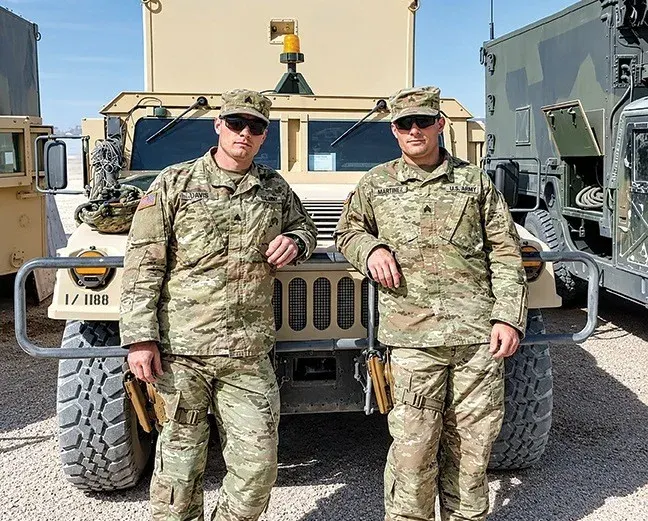
Nathan Lynnes during his service with the Army National Guard. Photo provided by TrueNorth Steel.
How has your military background influenced the way you approach leadership, teamwork, decision-making, or problem-solving?
The Army taught me that effective leadership is about leading by example, earning trust, and putting the success of the team ahead of personal recognition. It reinforced the importance of accountability, clear communication, and developing those around you to reach their full potential.
From a teamwork perspective, military service showed me that no mission is accomplished alone. Success depends on individuals working together toward a common goal, understanding their roles, and supporting one another through challenges. That lesson continues to influence how I collaborate with coworkers and build a strong team in my professional career.
The military also taught me to remain calm under pressure and make informed decisions based on the information available. Whether troubleshooting equipment issues, managing personnel, or addressing complex challenges, I have learned to assess the situation, identify the root cause, develop a plan, and execute it effectively. These experiences continue to guide my approach to problem-solving and help me lead with confidence in both my military and civilian career.
What has been one of the biggest challenges in your business or career, and how did your military experience help you work through it?
I would say one of the biggest challenges in my quality career has been managing competing priorities. My military experience has helped me navigate these challenges by teaching me the importance of clear communication and making decisions based on facts rather than emotions. As a Detachment Sergeant, I learned how to prioritize available resources, solve complex and time-sensitive problems, and provide leadership to the Soldiers within the Detachment.
What professional accomplishment are you most proud of?
Earning my Certified Welding Inspector (CWI) certification is the professional accomplishment I am most proud of. It represents years of dedication to the welding and structural steel industry and has allowed me to strengthen quality standards, improve processes, and serve as a trusted technical resource for my team. Most importantly, it has enabled me to make a lasting impact on the quality and success of the projects and people I support.
Is there a particular moment when you realized your military experience gave you a different perspective or advantage in the workplace?
Yes. One moment that stands out for me was when we were working through a complex, quality-driven project that required quick decision-making and coordination between multiple departments. My military experience helped me step back, assess the situation, prioritize actions, and focus the team on the outcome rather than all the chaos surrounding it.
In the military, you’re trained to stay calm under pressure, rely on proven processes, and work as a team to accomplish the mission. I realized that this mindset gave me an advantage in the workplace because I approach challenges with discipline, accountability, and a solutions-focused attitude. It reinforced for me that many of the leadership and problem-solving skills I developed in the National Guard translate directly to leading quality initiatives and driving continuous improvement in my civilian career.
What do you wish employers, colleagues, or community members better understood about veterans in the workforce?
I wish employers, colleagues, and community members better understood that veterans are not defined solely by their military service. Our experiences in uniform have shaped who we are, and we bring a wide range of perspectives, skills, and life experiences to the workplace.
Many veterans carry with them a strong sense of purpose, teamwork, accountability, and a commitment to serving something greater than themselves. Through our military experiences, we’ve learned to overcome challenges, adapt to change, and support those around us, often under demanding circumstances.
What I hope people understand most is that veterans are simply people who want to continue contributing, making a difference, and being part of a team. A little understanding, patience, and willingness to listen can go a long way. Behind every veteran is a unique story, and many of us are grateful for the opportunity to continue serving our communities in new ways long after we take off the uniform.
I also think it’s important to recognize how much veterans and current service members appreciate employers who understand that our commitment to serve does not always end when we walk into our civilian workplace. For those of us who continue serving our states and country, military obligations can sometimes pull us away from our jobs and families. Having an employer and coworkers who understand and support that responsibility means a great deal to us. That support allows us to fulfill our commitment to our country while continuing to give our best to the organizations and teams we work with every day.
Do you currently support veterans, active-duty service members, military families, or veteran-focused organizations? If so, how?
Yes. One of the ways I support veterans and service members is through TrueNorth Steel’s Veterans Employee Resource Group (VERG). The group is still in its early stages, but it’s already giving veterans across the company a place to connect, share experiences, and support one another.
I’ve been involved in conversations about how we can better recognize our veteran employees and strengthen our connection with the veteran community. We’re also working on initiatives like the Wall of Honor and exploring opportunities to partner with and give back to veteran-focused organizations.
What I appreciate most is that we’re building something from the ground up. While VERG is still finding its footing, it’s a positive step toward ensuring veterans feel seen, valued, and supported within TrueNorth Steel. I’m proud to be part of that effort and excited to see where it leads in the future.
What advice would you give to veterans who are considering entrepreneurship or beginning a new civilian career?
My advice to all veterans would be to have confidence and awareness that the skills you developed in the military are valuable. The ability to work under pressure is a foundational skill in the military, and I personally believe that it’s a sought-after quality with employers and business owners.
If you are starting a new career in the civilian sector, don’t be afraid to take on a new challenge and continue learning. In my experience, and I believe many other veterans would say the same, not every skill will carry over directly. However, the work ethic and mindset you develop during your time in the service will carry you a long way.
Those who are interested in following the entrepreneurial path should approach it the same way they would with any mission that they were tasked with: have a plan, build a strong team around you, stay adaptable, and don’t be afraid to ask for help from people who have already walked the path.
Patience is key during the transition. Not having all the answers right away is perfectly okay. The resilience that helped you overcome those challenges in the service will help you build that successful future in civilian life.
What does being a veteran mean to you today?
Being a veteran for me means having that continued sense of purpose.
Whether I’m serving my country, state, community, TrueNorth Steel and the people around me, my commitment remains the same.
Nathan Lynnes
Military service in general has taught me to look beyond myself and focus on something greater. It’s instilled in me a mindset of service, teamwork, and responsibility that continues to guide me both personally and professionally. Being a veteran for me isn’t just about what I have accomplished in the military but more about carrying those values forward and using them to make a lasting, positive impact wherever I may be.
If I had to sum it all up in one sentence, being a veteran to me means being part of something bigger than myself and continuing to serve others long after I take off the uniform.
Editor of Fargo INC! — covering the founders, companies, and ideas shaping business in Fargo-Moorhead. Eleven years in, still no opinions, no politics, all business.