In shortOccasionally, an event emerges that shakes things up—one that challenges your perspective and leaves you inspired. That event is DisruptHR.
3 things to know
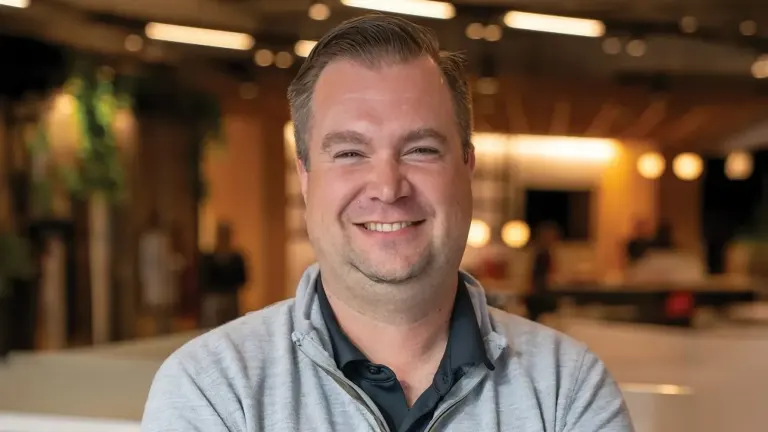
1Mark Wallace Executive Director, Faith Forward Fun fact: Mark writes about 1,000 words a week on a single topic.
2I was raised in a small town in eastern North Dakota and graduated in a class of 16.
3My parents and only sibling still reside in my hometown, Northwood.
Auto-summary · grounded in this articleNever used on sponsored content
Mark Wallace
Executive Director, Faith Forward
Fun fact: Mark writes about 1,000 words a week on a single topic.
Tell us about yourself.
I was raised in a small town in eastern North Dakota and graduated in a class of 16. My parents and only sibling still reside in my hometown, Northwood. I have lived in Fargo for nearly 20 years after coming to NDSU, where I met and—shortly after obtaining a business administration degree—married my best friend, Jenna.
We enjoy parenting, traveling, and being active; something our two elementary-aged kids, Hattie and Rory, gift us with daily. Jenna is a family medicine nurse practitioner and adjunct professor.
Amidst a 15-year banking career, I was called into marketplace ministry, where I live out my purpose of encouraging leaders to walk in the way of the Lord. I get to do this through being the Executive Director of Faith Forward, a local nonprofit organization that equips people to live and lead like Jesus in the workplace.
What’s one belief you want to disrupt?
I want to disrupt the belief that faith belongs only in church or personal life. Following Jesus integrates into leadership, business decisions, relationships, and how you serve others—clients and coworkers.
What’s the most human thing about your work?
Our work at Faith Forward is serving humans. We equip them personally, professionally, and spiritually through in-person experiences.
What’s one hill you’re willing to die on professionally?
I am unable to answer this question because I haven’t died for anything professionally. The closest thing—which is nowhere near death—is resigning due to value misalignment.
If an organization’s stated or lived values misalign with my personal values, I am going to take a stand on that hill, even if it leads to a jump without a parachute or lines up the next opportunity.
What’s your walk-up or hype song, and why?
Our kids love to play “Tick Tick Boom” and have me announce them like Michael Jordan was announced during my childhood. They then run around our house after being introduced. I’ve always been the announcer but would claim the same song.
What’s your superpower?
I’ve been told, and later observed, that I can connect and establish trust very fast. It’s an incredible honor to be trusted and in a position to help someone.
What advice do you have for professionals out there?
Professional success—whether a title, compensation, or net worth—is like cotton candy. It’s sweet, then it’s gone, and it leaves us thirsting for more. Unless we’re pursuing something that’s lasting or of eternal value, we’re kidding ourselves.
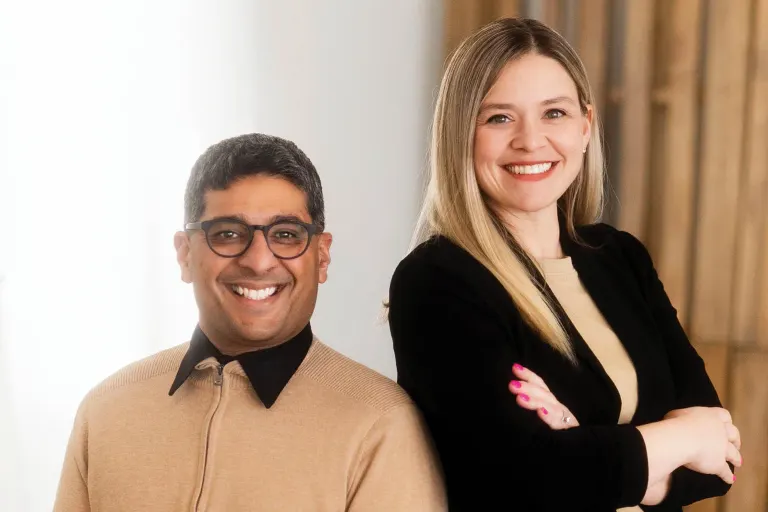
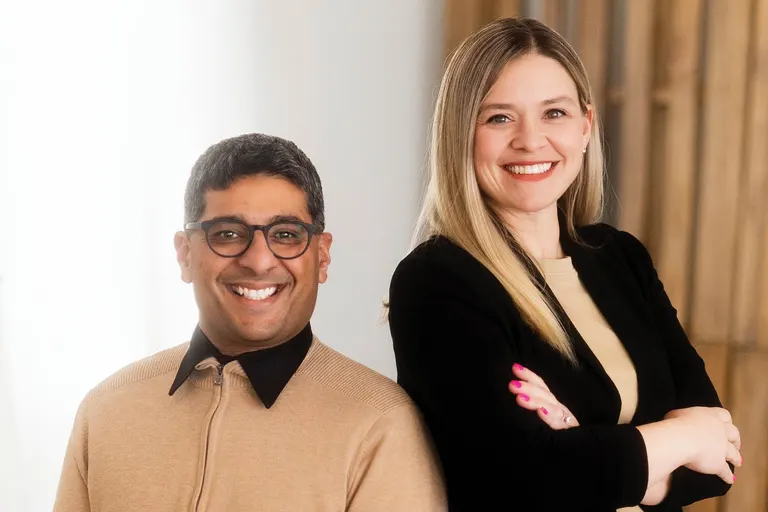
Fun fact: Combined, Rupak and Britney have served in nearly every level of educational leadership—from classroom teachers to high school principals to district superintendents—before pivoting to build AI platforms for the private sector.
Tell us about yourself.
We didn’t start as software developers; we started as organizational leaders. With over 35 years of combined experience leading complex organizations—including serving as school superintendents and executive leaders—we understand the realities of budget constraints, staff burnout, and strategic planning.
Today, as co-founders of Optimized Strategic Solutions, we leverage our deep expertise in leadership and informatics to design custom, AI-powered systems for organizations across sectors. We build solutions because we know exactly what it takes to lead, and our mission is to amplify organizational impact by pairing AI-driven automation with evidence-based strategy.
What’s one belief you want to disrupt?
The belief that “AI training” means sitting through a PowerPoint presentation or reading a generic tip sheet. You don’t learn to fly a plane by reading a book; you use a flight simulator.
We want to disrupt passive learning by proving that the only way to build real AI competency is through simulated, guided practice in a platform that mirrors an employee’s actual workflow.
What’s the most human thing about your work?
Giving people their time back.
When we build an AI workflow that turns a 90-minute administrative task into a five-minute one, we aren’t just saving the company money. We are giving that leader 85 minutes back to mentor a team member, solve a complex human problem, or simply get home to their family on time.
The technology is artificial, but the relief it provides is profoundly human.
What’s one hill you’re willing to die on professionally?
Excellence does not require sacrificing your family or your well-being.
At Optimized Strategic Solutions, we prioritize family and excellence above all else. We don’t take on every project—we say “yes” only to work we know we can complete with precision and dedication, without compromising our core priorities.
We believe leaders can, and must, set the example that balancing high-impact work with family is essential.
What’s your walk-up or hype song, and why?
“Under Pressure” by Queen and David Bowie.
Leadership in any sector today is defined by pressure—doing more with less, navigating constant change, and managing burnout. Our entire business model is built on taking that pressure off leaders by optimizing their systems so they can breathe again.
What’s your superpower?
Translating cutting-edge technology into practical, everyday leadership.
We don’t just build AI tools; we build them through the lens of people who have actually had to manage large teams, balance budgets, and drive strategic plans. We know how to make the complex feel simple and immediately actionable.
What advice do you have for professionals out there?
Stop talking about AI and start practicing it.
The organizations and professionals who will win the next decade aren’t the ones with the biggest tech budgets; they are the ones who are actively experimenting, failing, learning, and integrating AI into their daily workflows right now.
Don’t wait for the perfect enterprise rollout—start optimizing your own daily tasks today.
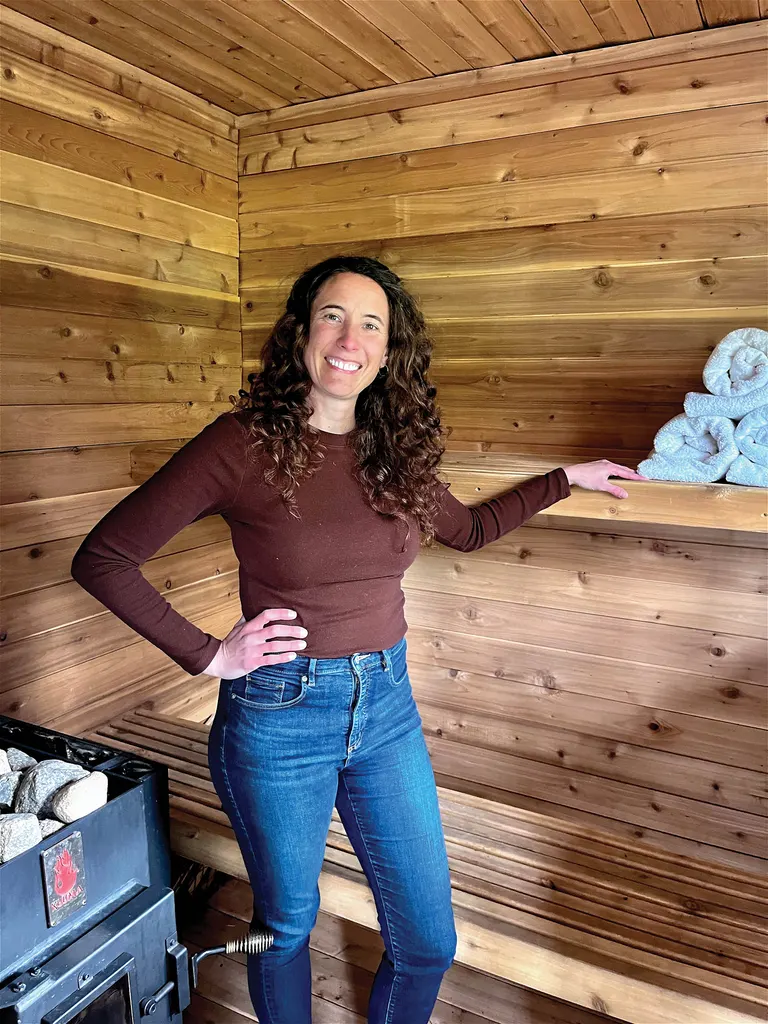
Owner and Saunapreneur, Immersion Sauna + Cold Plunge Studio
Fun fact: Michaela and her husband built their own custom wood-fired sauna on their property. She can also shingle a roof.
Tell us about yourself.
I’m a doer. I’ve always got a project in the works or an idea in the hopper. I’m an aggressive cheerleader of any idea brought to me with passion. I’ll brainstorm with anyone and everyone. I want others to believe in themselves as much as I believe in them.
I love taking the lead and paving the way. In any career I’ve had over the last 20 years, I’ve always been the first person in that position or role because I’m always willing to take the risk, come up with new ideas, and map the way.
The best part of my life is being a wife and mom, living out the country life dream with my family.
What’s one belief you want to disrupt?
Making things easier doesn’t always make things better. Sometimes a little hard leads to greater outcomes.
What’s the most human thing about your work?
I get to be with people right before a big challenge. I hold their fears, their lack of confidence, and their anxiety while I give over my belief in them. I then have the privilege of encouraging them through to the other side and being the first to experience their pride in themselves for overcoming something they didn’t think they could do.
Also, I see all my clients sweating buckets and having their breath taken away by the cold. It’s remarkably human seeing how bodies and brains react to extremes—and super cool how we can adapt and overcome.
I always remind clients — Don’t worry about how you look; everyone looks hot in a sauna.
What’s one hill you’re willing to die on professionally?
We often spend more time trying to develop an easy way, but if we had just gotten a little dirt under our fingernails, it would probably be done already.
What’s your walk-up or hype song, and why?
I’m way too awkward for a hype song, but walking up to a good joke or self-deprecating humor that creates a laughing crowd—that’s more my style.
What’s your superpower?
Transparency. I keep my guard down and stay an open book. Plus, I always say what I am thinking. It helps anyone sitting across from me feel they can do the same. This allows real relationships to be built quickly.
What advice do you have for professionals out there?
Whenever I start to worry that I’m not smart enough, talented enough, or don’t know enough, I remind myself that there are dumber people than me out there doing what I’m trying to do. If they can do it, of course I can do it.
Close the loop. I repeat this to myself multiple times a day. My brain is always moving fast, jumping to the next thought or task, so reminding myself to close the loop before moving to the next circle has created much better focus and allowed me to get more done.
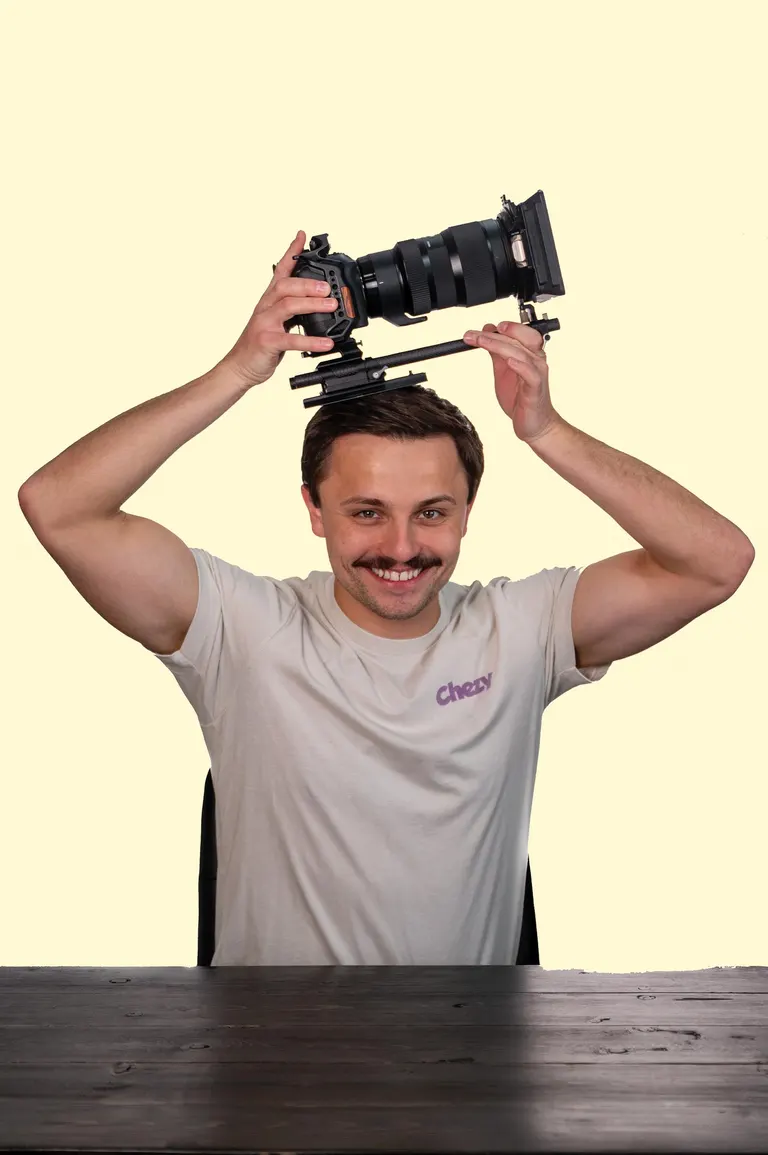
Head of Video Production and Co-Owner, Chezy Video Company
Fun fact: Luke has trained six videographers to become young professionals, created more than 3,000 videos at Chezy, and run three marathons.
Tell us about yourself.
I’m a Fargo-Moorhead native and co-owner of Chezy Video Company, where I serve as Head of Production. I lead the video team, build strong client relationships, and oversee projects that help businesses and nonprofits share their stories in a way that feels clear and human.
I’ve worked with everyone from state governors and Fortune 500 companies to local small businesses. After filming and interviewing thousands of people, my main focus is always making the process fun, easy, and memorable.
Outside of work, I’m super passionate about health and wellness, having run multiple marathons, trained for different events, and always staying active and challenging myself.
I’m also passionate about mentoring the next generation of creative professionals and teaching exceptional client relationship skills.
What’s one belief you want to disrupt?
We’ve normalized unhealthy lifestyles, and we treat people who prioritize their health like outliers when it should be the baseline.
The modern default makes it weirdly easy to drift into low energy—sitting most of the day, rarely raising our heart rates, eating calorie-dense processed food, and then treating “kind of” as normal.
The truth is, being unhealthy has become normal, and it’s costing us energy, years, and quality of life.
I want to disrupt the idea that health is “personal” and doesn’t belong at work. Everyone can improve their life and, in turn, their work through simple, consistent, healthy habits.
What’s the most human thing about your work?
The most human thing about my work is sitting across from someone who thinks they’re “not good on camera,” then watching them relax, open up, and realize their story actually matters.
It’s basically my job to help people feel seen and comfortable, and that never gets old. I get to meet people from every industry, hear what they’re proud of, what’s hard, and why they do what they do, then help them put that into words and visuals that feel real.
What’s one hill you’re willing to die on professionally?
The hill I’ll die on professionally is that it’s not just what you deliver; it’s mostly about how you make people feel while you’re delivering it.
People remember whether the process felt clear, respectful, and easy—or stressful and confusing. That’s true with clients, coworkers, and anyone you’re leading.
A great end product matters, but the relationship and experience are what make people want to work with you again.
That’s also why we hire the way we do. I’d rather bring in someone with solid character, good communication, and the ability to connect with people, then teach the technical side. You can’t easily train humility, empathy, or ownership.
What’s your walk-up or hype song, and why?
Basically anything from BigXthaPlug. Whether it’s on a run or during a lift, he hypes me up.
“Change Me.”
“The Largest.”
What’s your superpower?
Listening. I feel like I do a good job of making people feel heard.
What advice do you have for professionals out there?
Stop asking, “Am I qualified?” and start asking, “Can I prove I’ll figure it out?”
The next role is supposed to stretch you. Employers know that. They’re not only hiring your experience, but they’re also hiring your trajectory.
Can you learn fast? Can you lead? Can you solve problems? Can you communicate and take ownership? That’s the stuff that makes someone “qualified” after they get the job, not before.
If you’re 100% qualified beforehand, it’s probably not a promotion. If it’s truly a step up, by definition you haven’t done that exact job yet. Stop waiting until you feel “ready” and start focusing on whether you can grow into it.
Confidence doesn’t come from hype or affirmations. It comes from stacking tangible proof, over and over, that you do what you say you’ll do.
Fun fact: Cole has 99 problems, but a sense of ownership isn’t one.
Tell us about yourself.
I am an employee-owner, new dad, and appreciator of what life has to offer as a learner and leader. Karissa, my wife, and I enjoy the outdoors, shopping and eating—and drinking—local, and spending our resources wisely, especially that which you can never replace: time.
What’s one belief you want to disrupt?
The people who can take over your business when you exit—retire, sell, etc.—might be standing right in front of you: your employees.
Our traditional business ownership structures and transition options are unsustainable on their own and require alternatives. The missing hero? The people behind every owner—HR professionals, coaches, and coworkers—influencing business owners’ decision-making about legacy, generosity, and community when it comes to transitions and succession planning.
What’s the most human thing about your work?
At a 100% employee-owned company, people carry themselves differently. I see it every day on my way to my office.
I may not know how a truck driver, salesperson, or warehouse associate does their job, but I can look them in the eye as a fellow owner each day and instantly feel a shared understanding of the responsibility we have to each other and our loved ones.
What’s one hill you’re willing to die on professionally?
I believe the path to prosperity is available to every employee, no matter their industry, education, or income. There are more off-beaten paths than those well-traveled.
They require only courage, deliberation, and consistency. Having a sense of adventure can help you navigate assumptions that credentials and ladders are the only way to higher ground.
What’s your walk-up or hype song, and why?
“Succession (Main Title Theme)” from the TV show is a vivid reminder of how wealth-building, leadership transitions, organizational change, and communication don’t have to be subjected to the same doomed cycles—or, in this show’s case, a showy scenario.
Okay, if this is my actual walk-up song request, please play the cover version by Rundfunk-Tanzorchester Ehrenfeld.
What’s your superpower?
Shoestealing! Or borrowing.
For a man who has an “it’s complicated” relationship with attention, I am a surprisingly good listener. I seek to understand other perspectives by stepping into others’ shoes, using my imagination, and asking substantive questions.
I know how to steal a spotlight, but when I “borrow” shoes first to understand someone or something, sharing meaningful stories in service to others quickly feels like the performance of a lifetime, every time.
What advice do you have for professionals out there?
Be your best self, always—or strive to be. Be kind to yourself and others when you fall short, dust off, take accountability, and do better tomorrow.
That is just the human side; failing and learning things is a different discipline every professional needs to practice to grow.
Fun fact: In 2013, Matt completed Ironman Lake Tahoe, which had the highest “Did Not Finish” rate of any Ironman event.
Tell us about yourself.
My name is Matt Gjertsen, and I am the founder of Built, a leadership development company helping hard-tech and aerospace organizations turn great engineers into great managers.
A U.S. Air Force Academy graduate and former KC-10 instructor pilot, I spent over four years leading training and development at SpaceX before launching Built in 2021.
I have worked with organizations including Lockheed Martin, Vast Space, and the XPRIZE Foundation. I also host the Leadership Launchpad podcast.
I bring 20 years of experience from cockpits, launch pads, and boardrooms to help technical teams build the leadership skills that actually move the needle.
Outside of work, I enjoy building things in the yard, working out, and spending time with my wife and daughter. We travel a lot, and I love seeing new parts of the world with them.
What’s one belief you want to disrupt?
That leadership is complicated.
Leadership isn’t easy, but it isn’t complicated. Especially in today’s corporate world, the bar for leadership is incredibly low, and staying consistent with some very basic practices can make a world of difference for your team.
What’s the most human thing about your work?
I spend a lot of time facilitating, so it is very human-to-human interaction. I absolutely love it. Getting a group of people who have never met before to work together and talk about meaningful topics is an amazing rush.
What’s one hill you’re willing to die on professionally?
Companies need more large meetings.
I think the No. 1 reason people feel frustrated in their jobs is that they don’t know how to make a difference. They feel like a cog in a machine. Companies need to spend more time sharing information with their people so their people can make decisions on their own.
What’s your walk-up or hype song, and why?
The “Top Gun Anthem.” I am a military pilot, so…
What’s your superpower?
Being willing to ask the dumb question. So much goes unsaid in most meetings, and people assume everyone knows what is going on. They don’t, and I will always be the one willing to ask what is going on.
What advice do you have for professionals out there?
Instead of thinking about what you need to do, start thinking about what you need to stop doing. The power of removal is really powerful.
Fun fact: Peter has participated in First International Bank & Trust’s annual Halloween costume contest every year and is known for leading some of the company’s most memorable winning costumes. One year, his team even brought a live horse into the branch for a photo.
Tell us about yourself.
Banking has been part of my life for as long as I can remember. I’m a fourth-generation banker and part of a family that has been serving communities through First International Bank & Trust since 1910.
I started at the bank as a teller when I was 15, which taught me early lessons in accuracy, customer service, and humility, including how humbling it can be to come up $5 short when rolling coins at the end of the day.
From there, I worked across many areas of the bank, learning the business from the ground up.
Some of my most formative lessons came from joining customer calls and watching experienced leaders, including my dad, navigate tough conversations. Those moments shaped how I think about leadership today. It’s about showing up, listening well, making decisions with care, and understanding the people behind the business.
Outside of work, my favorite role is being a husband and dad to two kids. I also try to squeeze in hockey, skiing, golf, wakeboarding, and scuba diving whenever life allows.
What’s one belief you want to disrupt?
That “this is how we’ve always done it” is a good enough answer.
In a 100-plus-year-old family business, history matters. It gives you perspective, discipline, and a strong sense of responsibility. But longevity can also make it easy to default to familiar ways of thinking.
I believe you have to respect the past without being limited by it. Being rooted in your values doesn’t mean standing still.
What’s the most human thing about your work?
Banking is all about people.
Yes, we deal with numbers, loans, deposits, technology, and risk, but behind all of that are people trying to build something, solve a problem, buy a home, grow a business, or protect what they’ve worked hard for.
One of my favorite parts of the work is sitting across from business owners and hearing their stories. The more you understand what drives their business, what keeps them up at night, and what they’re trying to build, the better partner you can be.
That’s where FIBT’s Live First culture shows up. We believe people and performance should work together. Some of our employees have worked with the same customers for 15, 20, or 25-plus years.
They’ve seen those businesses evolve, understand their cycles, and know the details that only come from long-term relationships. That kind of connection is hard to replace, and it’s a big part of how we serve customers well.
What’s one hill you’re willing to die on professionally?
Company culture has to be lived, not just talked about.
You can put values on a wall, but employees pay attention to what leaders actually model, reinforce, and accept. If there is a gap between what you say and what you do, people notice quickly.
At FIBT, we think a lot about building a culture that can last across generations. You do not become a 100-plus-year-old company without being intentional about the people and values that carry the organization forward.
What’s your walk-up or hype song, and why?
“Number 1” by Nelly. The song feeds into the competitive side of me. It’s confident, high-energy, and has that strive-for-greatness mentality that I’ve always connected with.
What’s your superpower?
Being the invisible glue that connects people, ideas, and opportunities.
I genuinely enjoy bringing good people together, whether that’s friends, family, customers, business leaders, entrepreneurs, or members of our team. A lot of opportunities in life and business happen through trust, relationships, and those powerful networks.
I’ve always believed community banking is ultimately a relationship business. The strongest partnerships are built long before you ever need something. I enjoy making connections, creating energy around ideas, and helping people win together.
What advice do you have for professionals out there?
Get comfortable being uncomfortable. Some of the best learning happens when you’re handed a challenge before you feel fully ready for it.
Early in my career, I was thrown into difficult credit situations during the recession. At the time, it was a lot to take on, but it taught me more than any easy assignment could have.
You don’t grow much by only doing what you already know how to do. Take the hard assignment, ask good questions, learn from people around you, and keep moving. That’s where confidence and judgment really start to build.
Fun fact: Rob has trained and competed in Brazilian jiu-jitsu in 15 different states and four countries.
Tell us about yourself.
I’m a 20-plus-year veteran of tech sales and leadership who started Black Belt Growth Systems, a consulting practice that helps software and service companies build channels, grow revenues, and win more deals.
What’s one belief you want to disrupt?
That AI should be the default method of learning and work, or you risk “falling behind.”
AI is a set of powerful technologies and tools, but the consequences of outsourcing your own intuition, cognitive ability, and judgment are severe.
Some of the most rewarding and impactful activities human beings can experience are challenges that require grit and perseverance to overcome, not prompting and automation.
Reading, writing, and talking through ideas with other human beings are still extremely important to developing original ideas and sturdy frameworks for making decisions.
What’s the most human thing about your work?
I spend most of my time trying to help businesspeople and technology people communicate better.
Oftentimes, there are so many points of view and factors in a project that not everyone gets heard, let alone understood. My job is to help simplify and amplify those messages to the right people.
What’s one hill you’re willing to die on professionally?
Either put your slide deck in presentation mode or don’t present at all. What is this, a presentation for ants?
What’s your walk-up or hype song, and why?
Probably “To Build a Mountain” by Crowbar, because it’s on a playlist that my three-year-old son, Roger, currently wants to sing and play drums to at 6:30 a.m. every morning.
What’s your superpower?
I’m pretty good at teaching people concepts and ideas that resonate with a variety of different types of people and contexts.
What advice do you have for professionals out there?
Don’t outsource or automate what you enjoy doing. Stop looking for shortcuts when you should be doing the work.
Mortgage Loan Officer, First International Bank & Trust
Fun fact: Kayla’s four rescue pit bulls have middle names, all of which come from family members.
Tell us about yourself.
For over a decade, I’ve been a mortgage loan officer in Fargo. I love helping my clients build long-term wealth through homeownership while making them feel seen, educated, and empowered throughout the process.
I co-host the “It’s Real” podcast alongside my friend, Andrew, where we discuss experiences in real estate and mortgages. I’ve co-authored a book, Rethink Everything You Know About Being a Next Gen Loan Officer, and am an ambassador for FirstHome IQ, a nonprofit organization that helps bring financial literacy to the next generation.
I proudly serve on the board of directors for Homeward Animal Shelter, a cause close to my heart.
I’ve been married to my husband, Theron, for 12 years, and we have four rescue pit bulls who run our home. We love taking them to the lake for long walks, swimming, and pontoon rides.
What’s one belief you want to disrupt?
That you can serve someone well without truly understanding them first.
In medicine, prescribing without diagnosing is malpractice, but in business, we do it all the time. Someone comes to us with a need, and we jump straight to the solution before asking a single question about their life, their goals, or their situation.
In my world, that looks like quoting a rate before understanding someone’s financial picture. A mortgage is not a commodity, and the right loan structure, timing, and strategy can impact someone’s financial future far more than chasing the lowest advertised rate.
But this isn’t just a mortgage problem; it’s a people problem. I want to disrupt the idea that speed equals service in any industry. The most valuable thing any of us can do is ask the right questions first.
Prescription without diagnosis is malpractice—in medicine, in mortgages, and in any room where someone is trusting you with something that matters.
What’s the most human thing about your work?
I walk through life-changing moments with people every single day. I’ve cried with clients at closing tables, helped people navigate fear and uncertainty, and celebrated first homes, dream homes, and fresh starts.
Buying a home is a very vulnerable time for most people. It is never just a loan. It’s honoring the trust of someone who lets you in during one of their biggest life decisions.
What’s one hill you’re willing to die on professionally?
People do business with people they trust, but they can’t do business with you if they don’t know you exist.
Trust requires visibility. You can’t build one without the other. The most experienced person in any industry is useless if nobody knows their name.
Think about that. Somewhere right now, someone needs exactly what you offer, and they’re going to the person they’ve heard of, not the person most qualified to help them.
Your personal brand is what closes that gap. It is the most underutilized asset in any industry—not your logo or your credentials. You.
Your consistency, your expertise, and your willingness to show up and serve people before they ever become a client.
The professionals winning long-term aren’t waiting to be handed a reputation; they’re building one intentionally, one conversation, one post, and one relationship at a time. Invest in your personal brand like your career depends on it. Because it does.
What’s your walk-up or hype song, and why?
“Girl on Fire” by Alicia Keys.
Before writing this song, Alicia said she felt like a lion locked in a cage, and the moment she decided to stop making excuses for who she wanted to be, she became a girl on fire.
I felt that. There came a point in my career where I stopped apologizing for the kind of lender I wanted to be and just became her by leading with education, relationships, and genuine advocacy.
This song isn’t about being the loudest in the room. It’s about following your passion with such intention that it sets you on fire.
What’s your superpower?
I have a gift for making people feel calm, informed, and confident instead of overwhelmed.
People hold back in my industry. They’re nervous to be judged by their finances, and they’re embarrassed about possible debt or credit scores. It’s a vulnerable time.
But when someone feels genuinely seen and not judged, they open up and share, and that’s where I can do real, meaningful work. The kind that goes far beyond a transaction.
That’s my superpower and the foundation everything else I do is built on.
What advice do you have for professionals out there?
Responsiveness, communication, and empathy are not “extras” in business; they’re the job.
People remember how you made them feel during stressful moments. Professionalism is about more than expertise. It’s about making people feel safe enough to ask questions, informed enough to make confident decisions, and supported enough to know someone is truly in their corner.
Business moves fast, but people still want to feel seen, heard, and valued. That never goes out of style.
Fun fact: Alyssa swings a golf club an average of 122 times every time she plays.
Tell us about yourself.
I spend my days operating startup accelerators to support founders as they scale their businesses. I live in Fargo with my husband, two kids, and dog. In my free time, I enjoy reading, travel, and golf.
What’s one belief you want to disrupt?
Length of leave should no longer be the main discussion topic around parental leave. Yes, I want to live in a world where a lengthy, paid leave is the standard.
I think there needs to be more conversation about how we welcome mothers back into their roles thoughtfully and intentionally.
What’s the most human thing about your work?
In my work, we are often taking away the polish a founder displays and looking under the hood to find obstacles and work to overcome them.
This can be really vulnerable. This vulnerability, and the space we create to be vulnerable, is the most human thing about my work.
What’s one hill you’re willing to die on professionally?
Respect and trust are earned and don’t just happen with a title. I think people need to take the time to build an interpersonal connection before they will earn trust.
What’s your walk-up or hype song, and why?
“Uptown Funk” by Bruno Mars. I can’t not smile when I hear it.
What’s your superpower?
Even when I leave early, I somehow manage to be 10 minutes late. That has to be a superpower, right?
What advice do you have for professionals out there?
If you are too big to do the small things, you are too small to do the big things.
Founder and Chief Excitement Officer of DisruptHR and CEO of Unbridled Talent
Fun fact: Over the course of Jennifer’s career, she has spoken to thousands of leaders on more than 500 stages in 12 countries across six continents.
Tell us about yourself.
I’m a keynote speaker, leadership strategist, and the founder of both Unbridled Talent and DisruptHR, a global movement focused on challenging traditional thinking about leadership, workplace culture, and the future of work.
Before starting my own businesses, I spent many years as an HR executive, so a lot of the work I do today is rooted in real-world leadership experience inside organizations.
These days, I work with HR and business leaders who are trying to navigate constant change—everything from AI and workforce transformation to leadership trust and culture challenges.
My focus is on helping leaders move beyond simply managing change and instead become people who actively shape what’s next within their organizations.
I speak around the world on topics like future-ready leadership, HR as Chief Disruption Officer, leading through the AI shift without losing your people, and building more human-centered workplaces.
What I enjoy most is helping people think differently, challenge assumptions, and leave with practical ideas they can actually apply when they get back to work.
What’s one belief you want to disrupt?
One belief I’d love to disrupt is the idea that HR’s role is simply to “help” the business rather than help lead it.
For years, HR has often positioned itself as supportive, responsive, and operationally helpful. While those things matter, I think that mindset can unintentionally keep HR on the sidelines of the most important business conversations.
When HR is only focused on supporting decisions after they’ve already been made, we lose the opportunity to shape strategy, influence transformation, and challenge outdated ways of working.
I want HR leaders to stop thinking of themselves primarily as service providers and start seeing themselves as architects of the future of work.
The organizations that will thrive moving forward need HR leaders who are willing to challenge assumptions, rethink systems, influence business direction, and lead through disruption—not just respond to it.
What’s the most human thing about your work?
The most human thing about my work is helping people navigate change without losing themselves in the process.
A lot of the conversations happening in workplaces right now are centered around disruption, AI, transformation, and uncertainty. Those are important business conversations, but underneath all of that are human beings trying to figure out where they fit, how they stay relevant, and how they lead with confidence in a world that keeps shifting around them.
Whether I’m speaking to an audience or coaching an executive, what matters most to me is creating honest conversations that help people feel seen, challenged, and empowered at the same time.
I want leaders to remember that transformation isn’t just about systems or technology—it’s about people. And the best leadership still comes down to trust, courage, empathy, and the willingness to connect with other humans in a real way.
What’s one hill you’re willing to die on professionally?
One hill I’m absolutely willing to die on is this: HR is not a support function—it’s one of the most important strategic functions in any business.
HR sits at the intersection of people, culture, leadership, systems, and business strategy. No other function has the same level of visibility into how work gets done, how leaders lead, how talent decisions are made, and whether an organization is actually building the kind of workforce and culture it will need to remain competitive in the future.
The challenge is that many organizations still underutilize HR by keeping it focused primarily on administration, compliance, or employee support. Those things matter, but they’re only part of the opportunity.
The organizations that will thrive moving forward are the ones that empower HR leaders to help shape business strategy, drive transformation, influence leadership behavior, and guide how technology and AI impact people and work.
I believe HR has the potential to be one of the greatest drivers of business transformation in the modern workplace, but only if HR leaders are willing to step fully into that role.
What’s your walk-up or hype song, and why?
“I Like JENNIE” by JENNIE.
Because I love K-pop, and this is my hype song. I mean, have you ever met Jennie-fer?
What’s your superpower?
My superpower is that I genuinely see people.
I’m deeply curious about what makes people tick—what motivates them, what holds them back, where their strengths are, and often, the potential that they don’t fully see in themselves yet.
That ability has helped me throughout my career as a leader, in hiring and talent decisions, and now in the work I do as a speaker and coach.
I think people do their best work when they feel understood, valued, and challenged to grow, and I’ve always tried to lead from that place.
What advice do you have for professionals out there?
My advice is to stop waiting for permission to grow, lead, or contribute at a higher level.
The world of work is changing too quickly for anyone to build a career by simply checking boxes and staying in their lane. The people who will thrive moving forward are the ones who stay curious, build strong relationships, continue learning, and are willing to evolve alongside the work itself.
I also think it’s important to build a reputation and presence that extends beyond your job title. Your influence, credibility, and relationships matter more than ever in today’s workplace.
Too many talented people stay invisible while waiting for someone else to recognize their potential.
And finally, don’t underestimate the value of being deeply human in how you lead and work. Technology will continue to reshape work, but trust, communication, adaptability, empathy, and the ability to connect with people will only become more valuable over time.
Director of Community Impact, United Way of Cass-Clay
Fun fact: As a proud North Dakotan, Taylor has visited every one of the state’s 53 counties.
Tell us about yourself.
I am obsessed with this community. Moved, motivated, and inspired to action.
For me, that shows up in the values I instill at home, at work, and in my neighborhood. This value of community and connection is something that took me a while to fully understand as a young person, but I’ve come to know that it’s really about authentically sharing our lives with one another and co-creating a community that reflects us all.
Daily, through my work at United Way of Cass-Clay, I get a front-row seat to both the complexity of systems and the incredible potential of people.
I learn the most through the fabric of family and the honor of motherhood. I believe that every family should have access to enjoy the things that make our community a great place to live—safe and stable housing, food that meets their needs, education, financial stability, good physical and mental health, and the social connection that lets us know we belong.
It’s the intersection of these values that gives me so much purpose.
What’s one belief you want to disrupt?
We’ve had a sort of collective mental health awakening as a nation. This is good. People are communicating boundaries, prioritizing mental health care, and raising their hands when they need help.
Most people are. Women in high-achieving leadership roles are not. Or at least not to the scale they need to.
We’ve been challenging the “superwoman,” “she can do it all” complex for a while, and yet, we tend to celebrate the experience of hustling. Often the cost is not just burnout, but teams that don’t have resilience and prioritization because their leaders don’t know when to slow down for themselves.
Modeling well-being is one more thing that leaders need to know how to “go first” on.
What’s the most human thing about your work?
I get to work at the intersection of so many ideas, beliefs, perspectives, and potential solutions.
My job is to ensure that our community’s problem-solving power is focused on ensuring that all people have the opportunity to thrive. That looks like using data to make good decisions, bringing together high-impact organizations and people to work together, and pursuing person-centered community transformation.
In all of this, the deeply held belief that we’re here to care for our neighbors is central. And that is something to be really proud of.
“There is no power for change greater than a community discovering what it cares about.” —Margaret Wheatley
What’s one hill you’re willing to die on professionally?
Stop using AI to think for you.
Now, before people throw tomatoes at me, don’t get me wrong. AI is a great tool, but should never replace the creativity and humanity that we all bring to our work.
I love promoting responsible use of AI to streamline workflows, synthesize meeting notes, and quickly digest long documents—making information more accessible and ideas scalable.
I encourage my team to use AI to check for unintended bias, find holes in their strategy, or help them organize their thoughts.
We can all sniff out an AI email or a 40-page report, and I know I’m not alone when I say it affects how we view the authenticity of that communication.
AI is one tool in our tool belt, and I challenge folks to pause before they write that prompt. Are we improving and streamlining with AI’s support, or are we offloading an opportunity to be creative and uniquely human?
What’s your walk-up or hype song, and why?
We are a music-loving family. I love to sing in the car, we have living-room dance parties, and there is a constant queue of songs on repeat we’re loving at the moment.
Right now, my hype song is “The Edge of Glory” by Lady Gaga. It’s a song about finding meaning and comfort in the transition, knowing that the journey of transformation and growth is the whole point.
What’s your superpower?
Like most people, I absolutely despise superficial small talk.
With practice, I’ve found the best way to build rapport and connection with people is starting in the middle. “Asking questions is my superpower,” which helps me have good discernment, and it relates to all parts of life.
Asking real, meaningful questions and being truly curious about the other person’s response isn’t just good listening; it’s the secret to building community.
My second superpower—or maybe character flaw—is that I know I can make anything from scratch. With an internet deep dive, I am confident that I can recreate restaurant dishes, do highly intricate and specialized crafts, restore furniture, build things, etc. I’m a “I’ll figure it out and work to master it” sort of person.
What advice do you have for professionals out there?
There will always be a season for feedback, and we should welcome that. Leaning into a value of the science of improvement means we’re focused on delivering the best possible outcomes based on the newest information.
Sometimes feedback can feel like criticism.
One of the best lessons I learned over the past few years is that when someone has an interest in sharing feedback, it means that you’ve likely created safety and trust for their voice to be valuable.
My mantra is that when something feels critical, let’s find a way to take it seriously but not personally.
Editor of Fargo INC! — covering the founders, companies, and ideas shaping business in Fargo-Moorhead. Eleven years in, still no opinions, no politics, all business.