There is nothing quite like the electric anticipation that ripples through a crowd right before a concert begins. When the house lights drop and the first chord strikes, it feels like pure magic. As event professionals, we know that a flawless live concert isn't a product of luck. It is the result of rigorous technical architecture and meticulous logistical planning. Bringing a high-energy show to life requires managing a massive web of moving parts so that artists can perform without interruption and fans can fully enjoy the experience.
Power and Safety Come First
To bring that magic to life, we start from the ground up, beginning with the power grid and safety infrastructure. A modern concert pulls an immense amount of electrical current, and a single failure can instantly halt a show. We deploy heavy-duty, redundant power distribution systems to help ensure the music never stops. Alongside power, our commitment to safety is absolute. Long before load-in, we calculate structural rigging weight loads, assess wind-speed ratings for outdoor stages, and plan strict cable management to secure the foundation.
Designing the Venue Layout
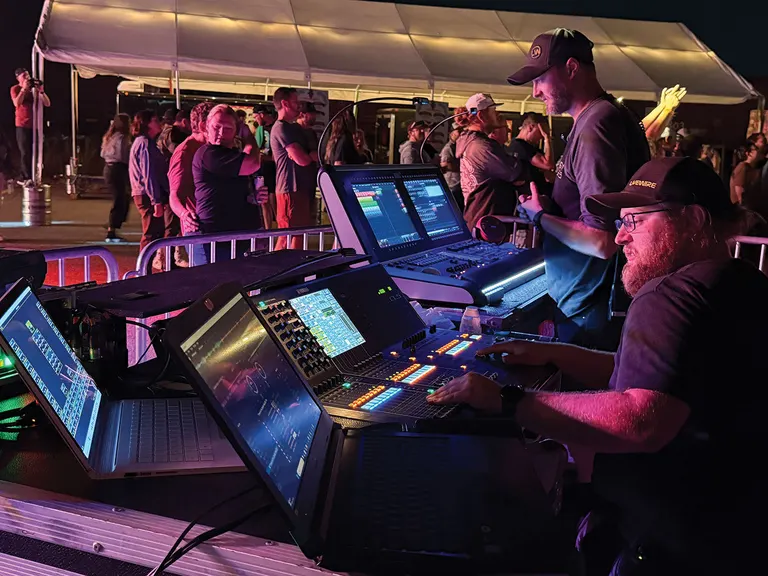
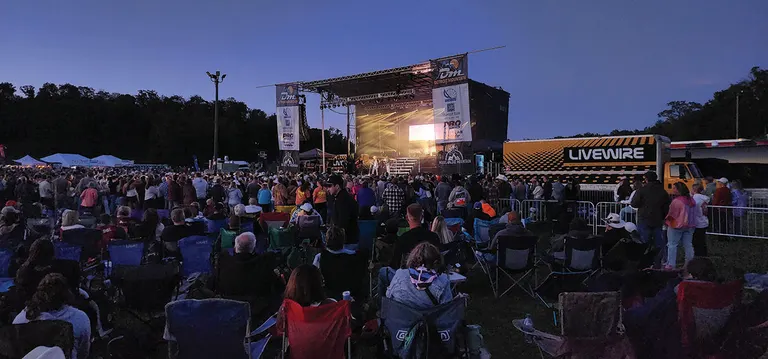
Once infrastructure is secure, we shift our focus to the physical layout and sightlines of the venue. Designing a concert environment goes far beyond erecting a stage; it is about the fan experience from every angle. We conduct site surveys to ensure critical technical footprints, like the Front of House mixing station or camera positions, never obstruct the audience's view. By integrating structural staging with LED video walls and lighting rigs, we create a unified environment where even the back row feels connected to the stage.
Engineering the Sound
With the physical footprint established, we turn our attention to the sonic architecture of the space. Concert audio demands power, but it also requires extreme precision to deliver crystal-clear sound without causing sonic fatigue or overpowering the front rows. Our audio engineers utilize advanced acoustic modeling software to map the venue before a single speaker is flown. By deploying state-of-the-art line array systems, we ensure even coverage, matching the frequency response and volume perfectly across the entire space.