Commercial Real Estate Interview: Build-to-Suit Projects with Travis Voegele

Written by: Brady Drake

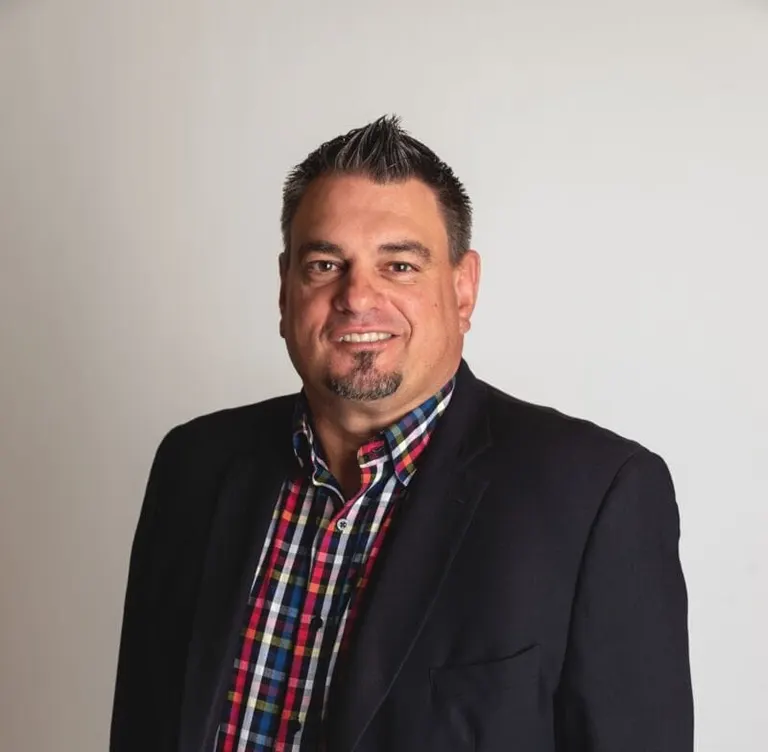
Navigating the world of commercial real estate requires specialized expertise, especially when it comes to build-to-suit projects. In this Q&A, Commercial Real Estate Agent Travis Voegele shares how being part of Christianson Companies and Property Resources Group provides him and his clients with a unique advantage thanks to access to in-house architectural services, construction teams, and one of the region’s top property development groups.

Travis: First, I would like to say that I am very fortunate to work for a company that makes working on build-to-suit projects a more comprehensive experience for my clients and it is a much easier task for me than it would be for most other agents. Being part of Property Resources Group and Christianson Companies gives my clients a great advantage with in-house architectural and design services, as well as access to one of the region’s largest general contractors and construction departments, and one of the region’s leading property development groups. Property Resources Group and Christianson Companies can really provide a one-stop shop for build-to-suit clients.

I should also mention, that build-to-suit projects can be as comprehensive as buying land, designing a building, and having it built for the client to own, but build-to-suit projects can also include having a developer build a tailormade building for them to lease, or simply taking a blank space within an existing space, and designing and fitting it up to specifically meet their needs. There are many different levels of build-to-suit projects.

Q: Can you walk us through your process for identifying the right location for a build-to-suit project? What key factors do you consider when selecting a site?

A: It all starts with sitting down with the client and really listening to their needs, their wants, what they want to provide for their employees, and what their overall goals as an organization are—from growth to maximizing profitability. After collecting that information, we work with them to assess how much space is needed as well as where their ideal location would be.

Do they need to be in a high-traffic location with high visibility and easy access, or can they be a little more off the beaten path? Obviously, land or even existing buildings in those high-traffic, highly visible areas are more expensive. So selecting the right site directly affects the profitability and viability of the project. With that said, we have always heard the importance of location, location, location. So, if a client’s success depends on exposure and accessibility, we really need to make sure we find them land or a space that will put them front and center. The client’s budget and their desire to own or lease make a big difference. If the client has the desire to own their space, obviously the amount of land needed to build the size and type of building they desire drives the project at first. Next, land cost becomes important. Finally, the size, type of building, and types of amenities are all major factors as well.


Q: How do you assist clients with land acquisition, and what are some of the common challenges that arise during this phase?

A: Typically, after working with them to assess the scope of their project, I provide a list of property options for the clients to look at. We then discuss what properties make sense for them and which don’t. We discuss what the property is listed at, what their budget is, and what kind of value the property is to them. The value of land to individual clients can vary. You can only buy land once, so it is important to choose the right piece and just as important, the right price. I work with the client to choose what property interests them most. We then strategize on what components are necessary to include in the offer to the seller to purchase the property. I then write up the offer and begin to negotiate with the listing agent as well as the seller. When we have an agreement in place, I work with the client to acquire the land and close on the property.

These types of projects are a little more complicated. Usually, a buyer needs due diligence done before closing on the land. They need time to speak with the city and make sure their class of business fits the city’s expectations and they also need time to get a building permit approved. Many times, a piece of land may be desired by the client but restrictions prevent them from completing the project they want to build. At that time, we may need to cancel the purchase agreement and start over. Throughout the acquisition phase and during due diligence there are always unexpected things that come up; unexpected city building restrictions, property use restrictions by the seller, easements, surveys, environmental issues, etc. We obviously try to forecast any issues ahead of time, but there are surprises that come up that prevent a project from moving forward in certain locations.

Q: Can you describe a situation where the build-to-suit approach helped a client overcome a significant challenge?

A: One client was looking to lease space in the FM area and could not find a space that fit their specific needs. However, they weren’t financially ready to build the type of space they needed. At that point, we worked with Christianson companies to act as a developer who acquired the land, built a tailor-made building to suit my client’s needs, and leased the property to them with an option to buy that building at a later date. Eventually, the client was able to purchase the property outright. It was a win-win for both the developer as well as my client.

A: We have seen more development projects that are being condominiumized with office parks, shops spaces, and other things like that. These projects allow a client to own their space and gain equity while not having to deal with buying the land, developing the project’s infrastructure, and taking care of maintenance like snow removal. It allows them to own, customize, acquire equity, and not deal with some of the other headaches.


Key Considerations for Build-to-Suit Real Estate Projects

Shovel-Ready Parcels: Some sites are ready for immediate development. If utilities, water retention, and infrastructure are already in place, this accelerates the project timeline.

Project Scope and Timeline: Smaller projects, like shops or warehouses, can be completed in 3-6 months. Larger buildings may take a year or more due to additional design, permitting, and regulatory requirements.

Ownership and Risk Management: Developers or contractors may retain ownership during construction to manage risks. This ensures they stay committed to the project’s success, reducing the chance of unfinished structures becoming the property owner’s responsibility.

Integrated vs. Outsourced Services: Firms like Christianson Companies and Property Resources Group offer in-house design, architecture, construction, and project management, creating a seamless experience that saves time and money. Outsourcing these services individually can complicate coordination and increase costs.

Customization Options: Build-to-suit projects can range from full-building developments to smaller customizations, such as designing leased spaces in strip centers to meet specific needs. This flexibility allows projects to align with varying client goals.


Contact Travis

[email protected]
701-499-3916
propertyresourcesgroup.com

Share This Article
Follow:
Brady is the Editorial Director at Spotlight Media in Fargo, ND.