A Conversation With ND Department of Commerce Commissioner Chris Schilken · Fargo INC!
Partner ContentPresented by North Dakota Department of Commerce
A Conversation With ND Department of Commerce Commissioner Chris Schilken
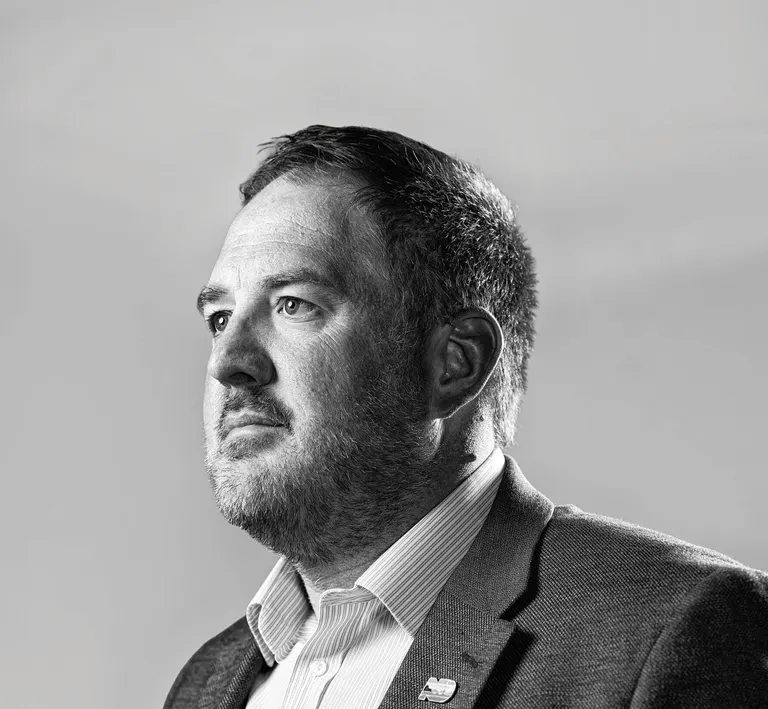
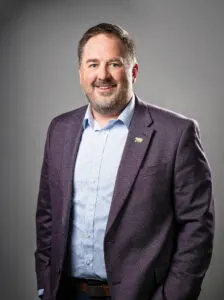
Commerce Commissioner Chris Schilken leads the North Dakota Department of Commerce, serving as the state’s top economic development official under Governor Kelly Armstrong.
NFargo INC! Partner Studio · Paid content · 7 min read
About Chris Schilken
Commerce Commissioner Chris Schilken leads the North Dakota Department of Commerce, serving as the state’s top economic development official under Governor Kelly Armstrong. A North Dakota native from Glenburn, Schilken brings a career rooted in community and business growth, with previous leadership roles in both North Dakota and South Dakota. Before returning to North Dakota for this post, he served as commissioner of South Dakota’s Governor’s Office of Economic Development, where he oversaw more than 200 projects and helped advance initiatives tied to value-added agriculture, advanced manufacturing, infrastructure development, and workforce recruitment. Earlier in his career, he worked directly in local and regional economic development, including as executive director of Forward Devils Lake and leader of the Watertown Development Company. As Commerce Commissioner, Schilken has emphasized practical, community-first economic development—refining programs to make them more effective, showing up in towns across the state, and positioning Commerce as a “first call” resource for businesses and communities looking to grow.
About The North Dakota Department Of Commerce
The North Dakota Department of Commerce is the state’s lead agency for economic development, working to grow North Dakota’s economy and strengthen quality of life in communities statewide. Through its core divisions—Economic Development & Finance, Tourism & Marketing, Workforce Development, and Community Development & Rural Prosperity— Commerce helps attract, retain, and expand businesses; supports entrepreneurs and primary-sector industries with incentives, grants, and financing; promotes North Dakota as a place to visit and a place to build a career; and partners with local leaders to advance housing, infrastructure, and community vitality. Guided by a mission to empower the growth of the North Dakota economy for everyone, Commerce coordinates resources across public and private partners to drive diversification, innovation, and a talented workforce for the future.
Q: From an economic standpoint, where is the state heading, and what’s your vision?
A: What we’ve really tried to do is shift the Department of Commerce toward being more operational at the state level—not just aspirational. That lets us focus on how our programs and solutions can help communities across North Dakota and truly be a resource for them.
One way we do that is by building repeatable programs and solutions that work statewide, and measuring those through outcomes like metrics, opportunities, and long-term stability for industries that have been here a long time. But we also ask, ‘how do we keep growing those industries, and how do we use them to bring in new ones?’ That’s been our vision over the last year.
Q: Are there particular programs where you’ve really honed in on improving them operationally?
A: Yes. We’re looking closely at program refinements and figuring out what programs are working well and how to keep strengthening them. At the same time, we’re asking what programs have been around for a long time that might need to be revamped or even shelved, so that funding can be redirected into what’s actually being used successfully by companies and communities across the state. We’re in that evaluation process right now.
Q: Which programs are the most successful?
A: The Development Fund has been around for a long time in North Dakota. It provides low-interest loan financing, other kinds of loans, and also equity options. It can provide debt, equity, or even hybrid instruments with triggers that might start as debt and convert to equity. The Development Fund is one of our core tools.
And beyond that, there are programs in other agencies across the state. North Dakota has a big advantage in that we can help almost any industry find a solution to get started here, expand here, and be successful.
Q: Who can use the north Dakota Development Fund?
A: Traditionally, it was only for primary-sector companies. During the last legislative session, that changed. Now, non–primary-sector businesses can now access it too, but only up to certain dollar caps. So they allowed some broader access while still keeping limits in place. We saw that as a good win and a good partnership with the legislature.
It also helps rural communities, especially if they aren’t actively doing primary-sector recruitment because now their local businesses can still access some of these tools.
About The North Dakota Development Fund
The North Dakota Development Fund (NDDF) is a statewide financing tool run through the North Dakota Department of Commerce that provides flexible “gap” funding to help new or expanding businesses start, grow, or relocate in North Dakota. Designed to complement private lenders rather than replace them, the fund can step in when a project is solid but needs additional capital that banks or investors can’t cover on their own. NDDF support can take several forms— direct or participation loans, subordinated debt, and even equity investments—giving businesses more options than traditional financing alone. While it has historically focused on “primary sector” companies (those bringing new wealth into the state, such as by selling goods or services outside North Dakota), the program’s mission is broadly economic development: backing feasible projects that create jobs, add value to North Dakota industries, and strengthen communities across the state.
A big goal is meeting communities where they are. We're traveling a lot, going into communities, learning what they want to be, and adjusting to that feedback.
Q: Outside of operational improvements, what are your priorities for the next few years?
A: A big goal is meeting communities where they are. We’re traveling a lot, going into communities, learning what they want to be, and adjusting to that feedback. It’s been well received because communities don’t have to come to Bismarck. Instead, we come to them. That’s become a strong partnership across the state.
Q: What have you learned from being out in those communities?
A: The most interesting thing—maybe not a surprise, but it reinforced it for us—is the commitment communities have to be better than they were yesterday. They want to move forward and be successful. But every community is different. Some want rapid growth, others want more moderate growth. We aren’t there telling them what they have to do. We’re asking where they want to be and helping them get there.
Q: Have there been common threads in what communities say they’re struggling with?
A: Yes. Workforce and housing. Every community has its own situation, but those two barriers show up everywhere. So those have become major priorities for us across the board
Q: Were there any new bills or programs addressing those issues in the last legislative session?
A: We proposed a housing bill that would have provided infrastructure relief for new housing, but it didn’t pass. That’s okay—new programs often take time. There’s potential for new or reworked legislation coming, with stakeholder support, aimed at addressing housing going forward.
Q: You mentioned expanding into new industries. Are there particular industries the state is focusing on?
A: We still have our traditional industries—agriculture, energy, and medical. But on the newer side, you’re seeing more value-added agriculture, like dairy. Two large dairy operations have already been announced in North Dakota. Data centers are another big focus.
What’s exciting about North Dakota is that we’re taking energy produced out west and using it to power other industries that help grow the state—like data centers running on natural gas.
We’re also looking at where bioscience fits in, especially where it complements agriculture. And then UAS, unmanned systems, and autonomous ag—those are major investment areas where North Dakota is leading. Investments at Grand Sky and Grand Farm are a big part of that, and the question is how we leverage those advances statewide.
Q: What are you most excited about right now in terms of what’s happening in the state?
A: What’s always exciting about North Dakota is how cutting-edge and nimble we are as a state—how quickly we can tackle challenges. That mindset carries into the business climate. Companies see business-friendly policies, low regulation, innovation, and a willingness to think outside the box. When we can show businesses a real plan to address hurdles they’re facing, that’s exciting.
Q: What should small to medium sized businesses be aware of that they might not realize —underutilized programs, legislation, things like that?
A: We want Commerce to be your first call. If you call us first, we can help connect the dots. There’s a lot of support for entrepreneurship and small business, but it’s spread across different areas—some under Commerce, some not.
We can connect businesses to the Bank of North Dakota, Small Business Development Centers, regional councils, even local EDCs. If you’re new to a community, you might not know who to talk to. So being the first call saves time and helps people find what they need faster.
Q: What’s the best way for people to contact the department of commerce?
A: Just call our office, or use the website. That’s the easiest way to start. From there, our business development reps and community development folks can respond and get things moving.
Q: What do you like most about your role?
A: We get a chance to help shape the future of North Dakota—for current generations and future ones. We’re part of the front-line conversations around exciting things happening in the state. Being even a small part of that is really fulfilling.
North Dakota Department of Commerce
Contributor Partner
This article was produced in partnership with North Dakota Department of Commerce. The Fargo INC! newsroom — “11 Years. No Opinions. No Politics. All Business.” — was not involved in creating this content.