A Business With No Sign is a Sign of No Business!

Written by: Brady Drake

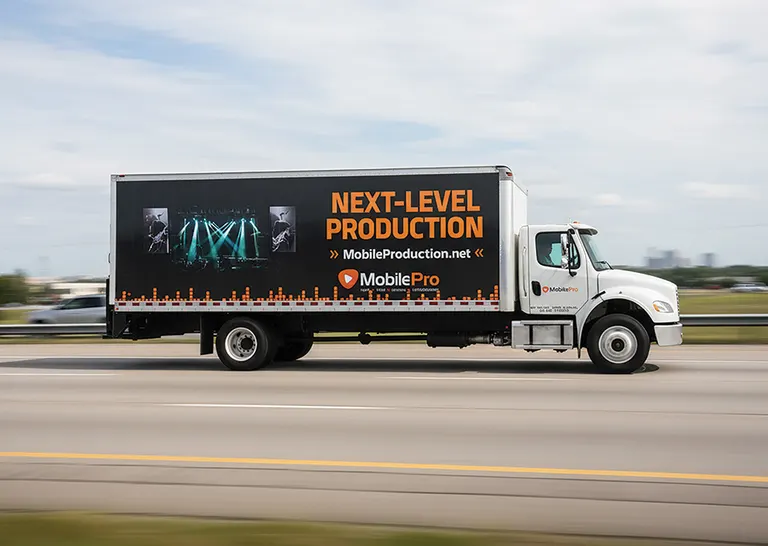
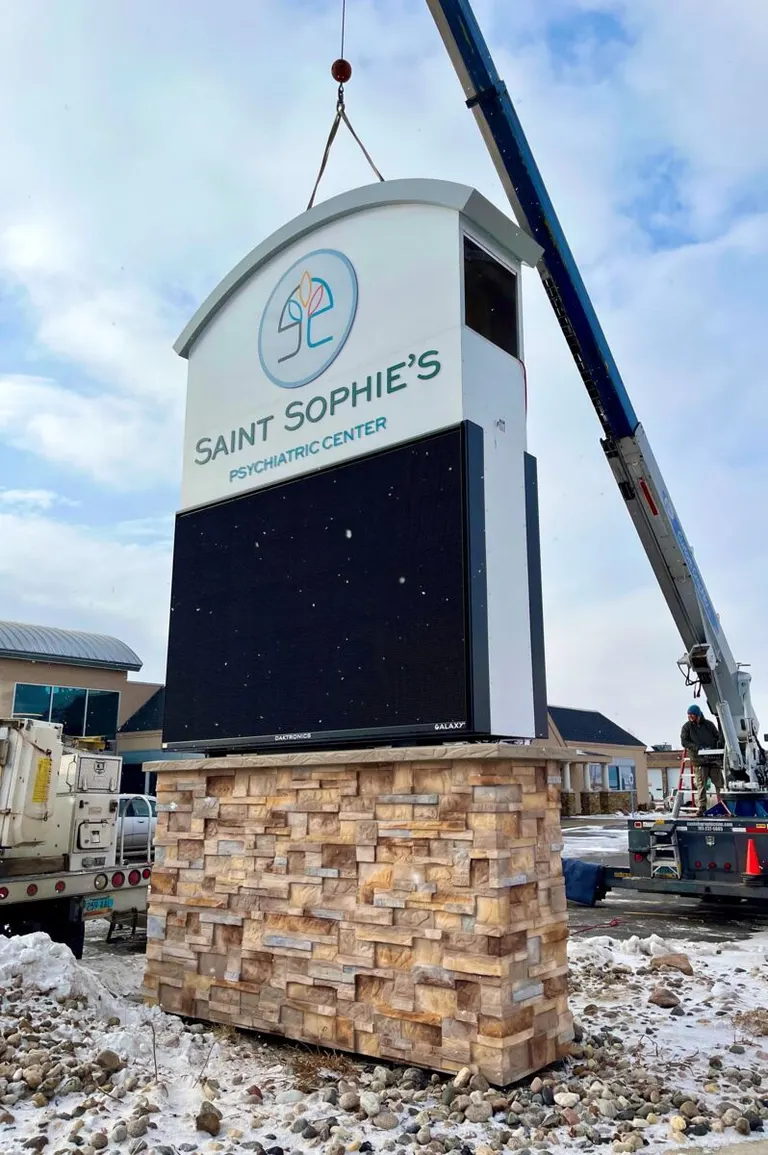
As you drive around, you’ve likely noticed that some signs instantly grab your attention while others fade into the background. Our job is to make sure your signage stands out, drawing in customers and driving business growth. The most successful businesses utilize a combination of signs—such as an illuminated storefront sign paired with a pylon or tenant sign near the road—to maximize visibility.

Choosing the right signage for your building depends on several factors, and our expert sales team is here to guide you every step of the way. We’ll work within your budget and align with your design goals to ensure you get the most impactful signage tailored to your business and location.
What is the goal of your signage?

Picking a goal for your signage is a great way to narrow down your options and determine which type of sign will be most beneficial for your business growth. Clearly defining your objectives helps ensure that your signage not only looks great but also serves a strategic purpose.

Goals to consider

Interior or Exterior: Will your sign be used indoors to enhance customer experience or outdoors to attract foot traffic and visibility

Wayfinding or navigation aid: Do you need signage to guide customers through your space, direct them to key areas, or improve accessibility?

Provide Information: Should your sign communicate essential details, such as business hours, promotions, or safety instructions?

Brand Recognition or Marketing: Are you looking to reinforce your brand identity, advertise a product, or create a lasting impression on potential customers?
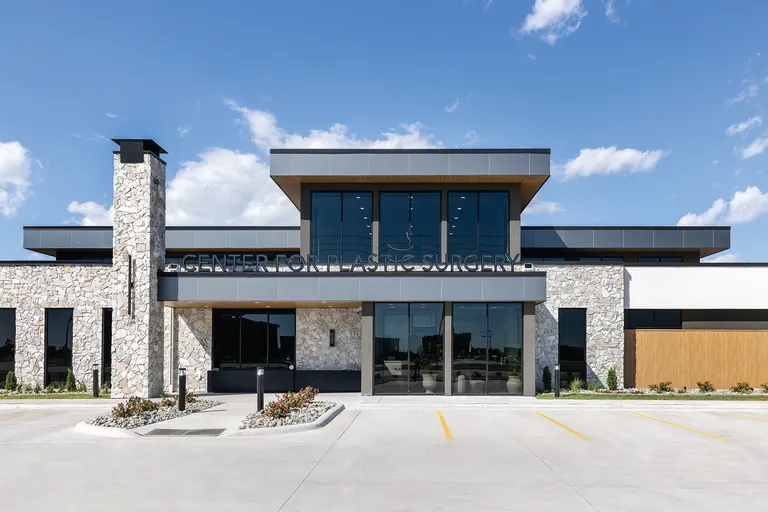
Questions you should ask when purchasing an exterior sign:

Q. What types of signs do you offer, and what sign is right for me?

A: Custom Graphics offers a wide range of signage solutions, from small interior nameplates to towering 30-foot signs—and everything in between. Some of those types include:

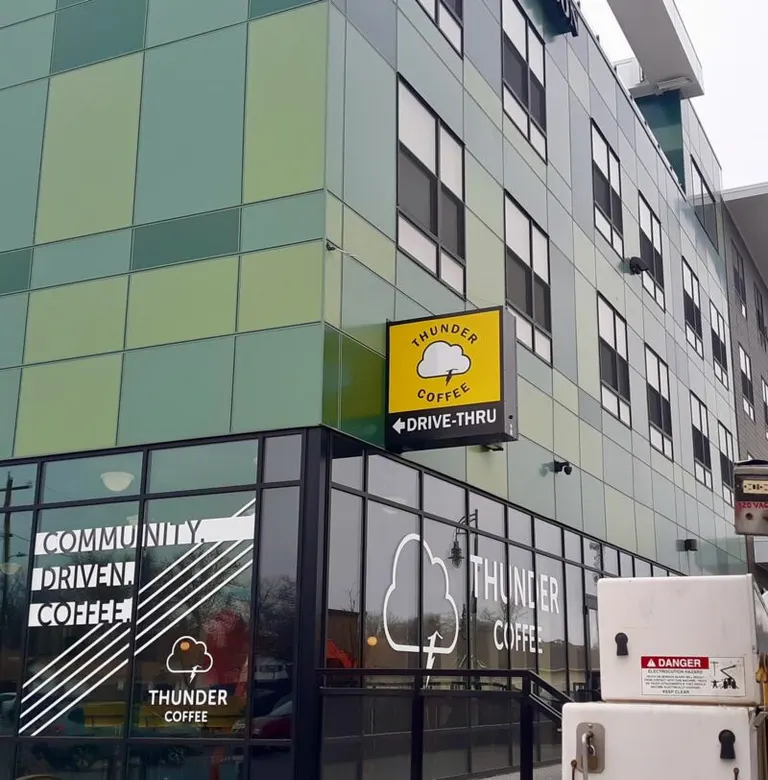
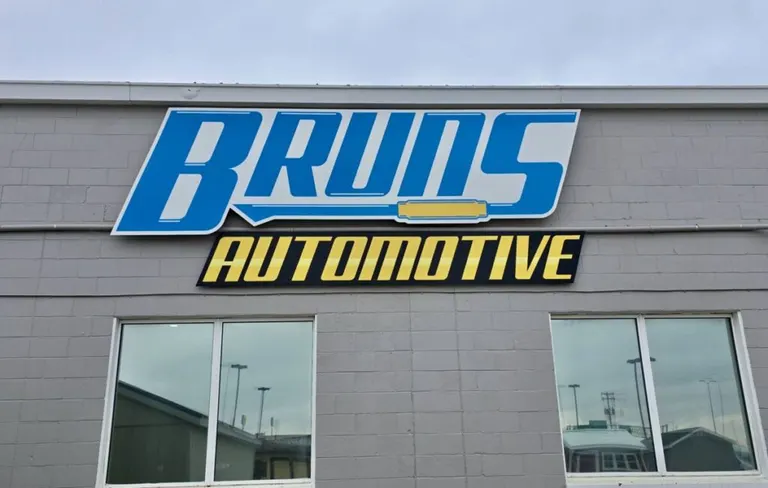
  • Channel Letters: 3D, internally lit letters and shapes, ideal for storefronts in multitenant buildings.
  • Cabinet Signs: Custom-shaped enclosures with an illuminated face for high visibility day and night.
  • Pylon Signs: Tall, free-standing, often illuminated signs mounted on poles, ideal for high-traffic roads and highways.
  • Monument Signs: Ground-level signage, often with stone, brick, or metal bases. Can be illuminated or non-illuminated, great for marking entrances.
  • Blade Signs: Vertically oriented, projecting signs mounted to buildings. Can be lit or non-lit, great for busy sidewalks and narrow streets.
  • Tenant Signs: Display names of businesses in multitenant buildings, often paired with a storefront sign like channel letters.
  • Aluminum Composite Material (ACM): Non-lit, lightweight, and cost-effective. Ideal for construction sites, real estate signs, and temporary displays.
  • Electronic Messaging Center (EMC): LED displays that can be edited for changing content, perfect for businesses in high-traffic areas.

Q: What regulations and permits do I need to abide by when getting a sign?

A: When planning your signage, it’s important to consider local regulations and property requirements. Many cities have restrictions on how signs can be installed on historic buildings, which may limit your options. Additionally, landlords often have specific preferences regarding signage, as certain types and mounting methods can cause damage, such as holes in the building’s structure. For example, the city of Fargo states that permanent signs are restricted by height and area but only require a one-time permit. The cost of this permit varies based on the total area of the sign’s face(s).

Understanding these factors in advance will help ensure a smooth approval process and compliance with all necessary guidelines.

Q: Where should I place my new sign?

A: Determining where to place your sign can be tricky. When choosing a location, it is important to consider perspective, traffic flow, visibility, and building layout. However, regulations may dictate where you can and cannot install signage, typically based on your landlord’s restrictions or city permit requirements.

Q: Should I light my sign?

A: Our winters are not only long and dark, but they also bring shorter daylight hours, making visibility a crucial factor for businesses. During the winter months, consumers typically leave for work before sunrise and return home after sunset, meaning much of their daily commute happens in the dark. This makes well-lit signage an essential investment for any business looking to maintain visibility and attract customers.

Lit signage helps your business stand out against the dim winter backdrop while reassuring customers that your business is open, even during the darkest months of the year.

Custom Graphics Inc.

Customgraphicsinc.com
701-237-5685
2501 3rd Ave N,
Fargo, ND 58102
Instagram | @Customgraphicsinc
Facebook | @Customgraphicsfargo

TAGGED:
Share This Article
Follow:
Brady is the Editorial Director at Spotlight Media in Fargo, ND.